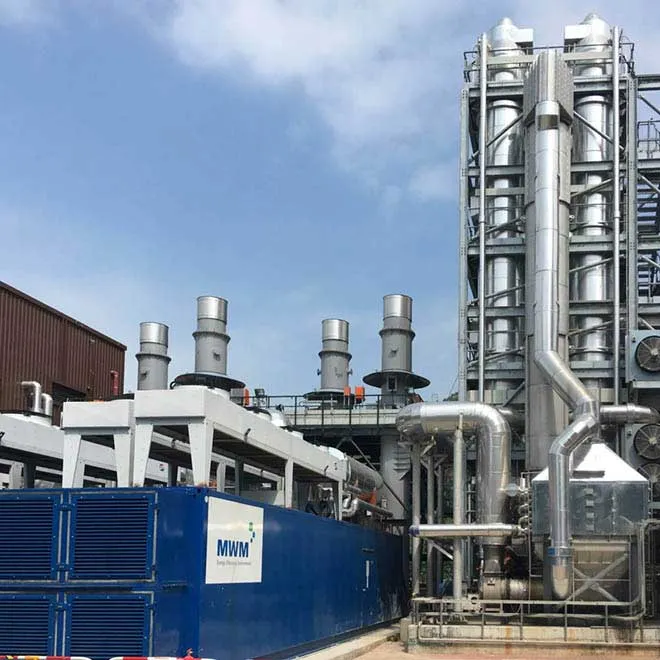
Thermal ammonia stripping is not a new idea. But OTAR®’s modular system is different. It combines stripping, absorption, and heat management into one platform, delivering a step-change in efficiency, reliability, and commercial yield for U.S. anaerobic digestion and biogas developers, dairy and swine CAFOs, municipal wastewater treatment plants, food and beverage processors, and landfill operators.
The chemistry is elegant: shift the pH-temperature equilibrium, release ammonia as a gas, then capture it as a product. The engineering, however, is where OTAR®’s 20+ years of experience creates a competitive advantage. Because of that experience, the difference between a compliance cost and a new revenue stream usually comes down to design, not chemistry.
The Chemistry in Plain English: How Does Ammonia Stripping Work?
Ammonia exists in water in two forms:
ionised ammonium ion (NH₄⁺) and free ammonia gas (NH₃).
Together, these are measured as Total Ammoniacal Nitrogen, or TAN.
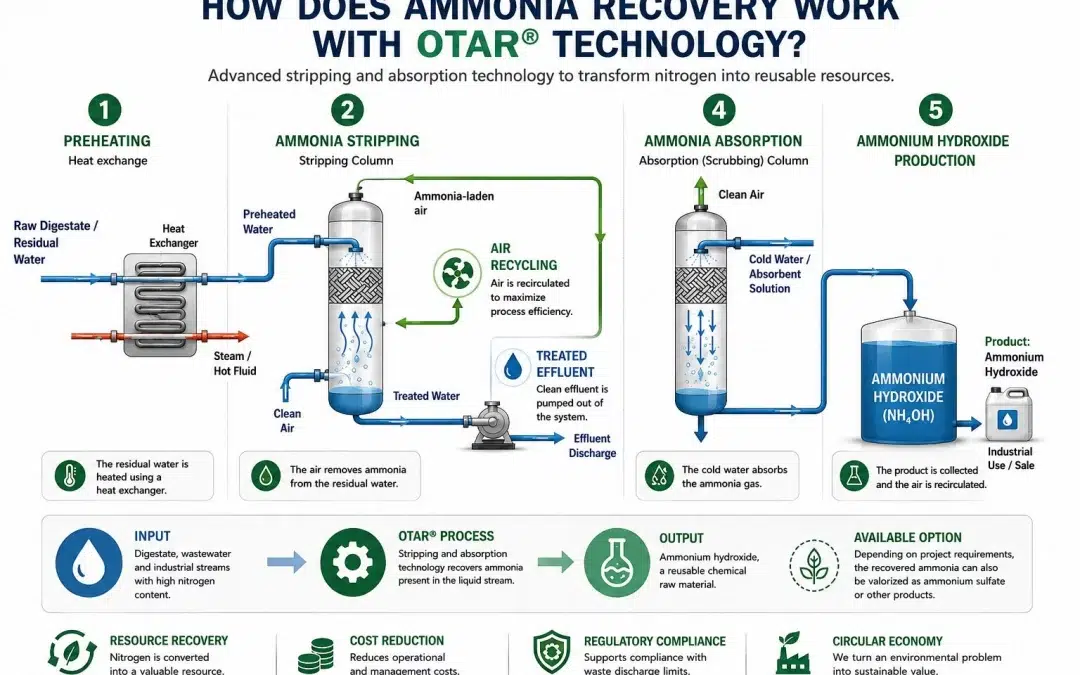
The equilibrium between the two is governed by temperature and pH. At low temperature and low pH, almost all ammonia stays ionized and remains in solution. But as temperature rises, or pH increases above 9, the equilibrium shifts strongly toward free ammonia. This gas can then be stripped out of solution. OTAR® exploits this shift using thermal energy as the primary driving force, which is why the process is called thermal ammonia stripping, or thermal ammonia recovery.
Inside the Stripping Column
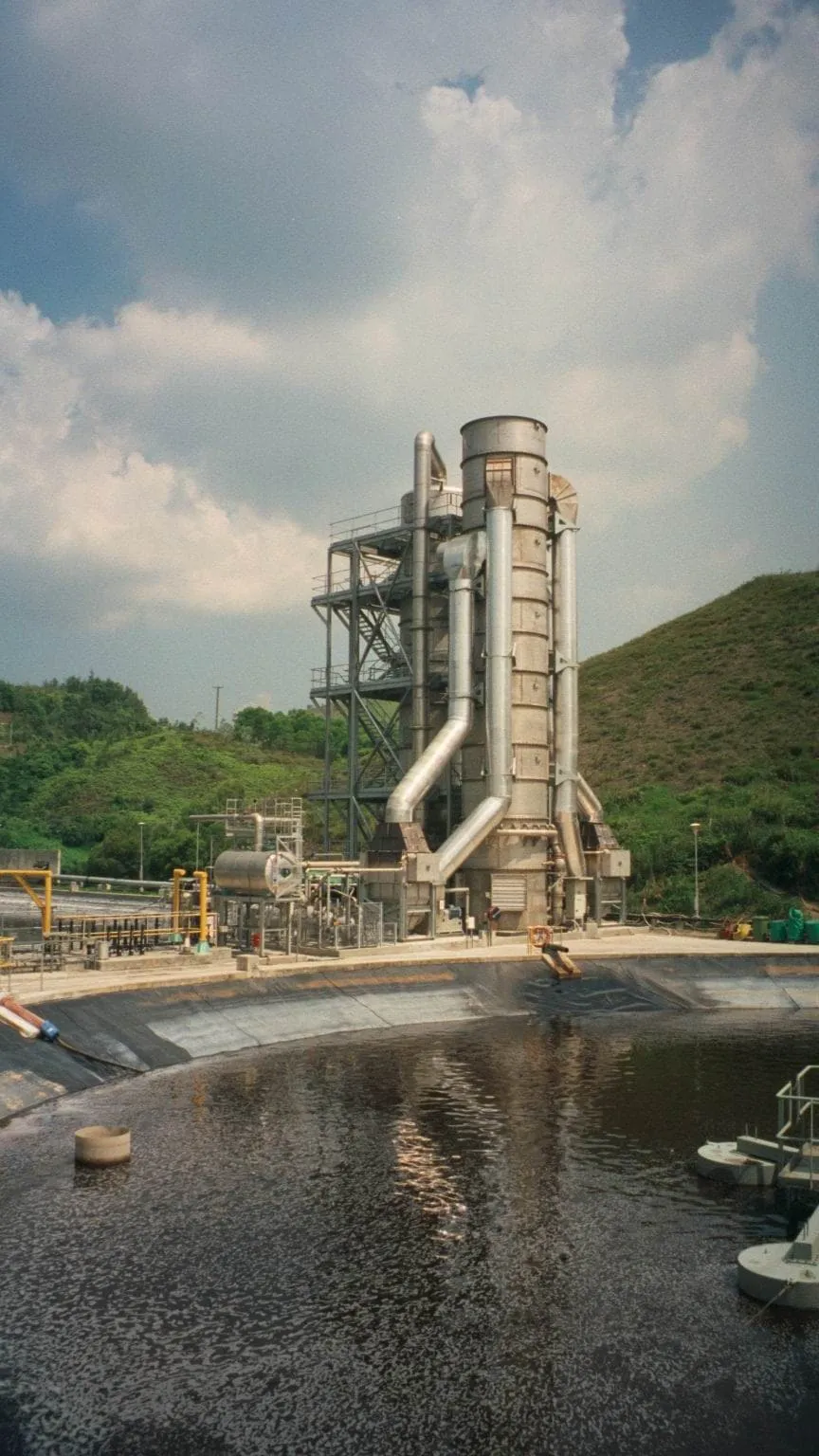
Inside OTAR®’s stripping column — a packed tower purpose-built for high-efficiency ammonia stripping — ammonia-laden liquid is distributed over structured packing that maximizes liquid-gas contact area. Steam or hot air then passes counter-currently through the column. As a result, free ammonia transfers from the liquid phase to the gas phase and exits with the steam or airstream at the column top.
Meanwhile, the treated liquid exits at the base with dramatically reduced TAN. Typical removal efficiency ranges from 85–99%, depending on configuration, influent concentration, and the target discharge or high-strength surcharge standard.
Energy Source: Waste Heat Recovery or Heat Recycling
What sets OTAR® apart from conventional ambient-temperature air stripping is its thermal drive. Many industrial and agricultural sites already produce surplus heat, from biogas engines at dairy and swine CAFO digesters, to landfill gas at municipal sites, to process cooling at food and beverage plants. OTAR® captures this energy to heat the incoming liquid. As a result, the ammonia equilibrium shifts and stripping efficiency increases dramatically.
Where waste heat isn’t available, Variant 4’s heat recycling system instead uses electricity and steam compression, achieving the same thermal conditions with a coefficient of performance exceeding 15.
The Absorption Stage: Turning Ammonia Gas Into a Fertilizer Product
The ammonia-rich gas leaving the stripping column moves to the absorption stage, where it is converted into the target product. Variant 2, the preferred recovery route, absorbs the gas into clean water, with no acid required, to produce high-purity ammonium hydroxide. Alternatively, Variant 3 reacts the gas with sulfuric acid to produce ammonium sulfate. Variant 1 skips absorption entirely and thermally destroys the gas instead. Because this absorption stage is modular, OTAR® functions as a platform rather than a fixed-function device.
Why Thermal Drive Matters for Product Quality
Because OTAR® uses heat, not just pH chemicals, to drive the equilibrium, Variant 2’s water absorption stage produces ammonium hydroxide without the contaminants typical of high-dose alkali treatment. The result is a cleaner product suited to sensitive markets, including OMRI-certified organic agriculture and industrial chemical use. It’s a quality advantage purely pH-driven systems can’t match.
Where Ammonia Stripping Systems Are Used Across US Industry
Because TAN shows up in so many nitrogen-rich waste streams, ammonia stripping systems serve a wide range of US industries. Five sectors see the fastest payback:
Commercial AD & Biogas Developers
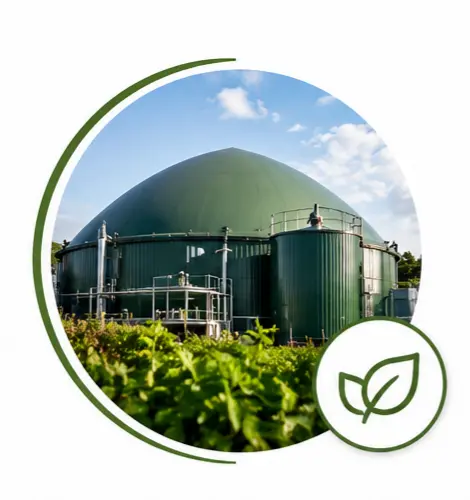
Co-digestion plants and large-scale food waste processors risk ammonia toxicity in digesters long before hitting organic loading limits. Because thermal stripping removes TAN from digestate or centrate before it inhibits methanogenesis, it protects biogas yield while creating a second revenue stream.
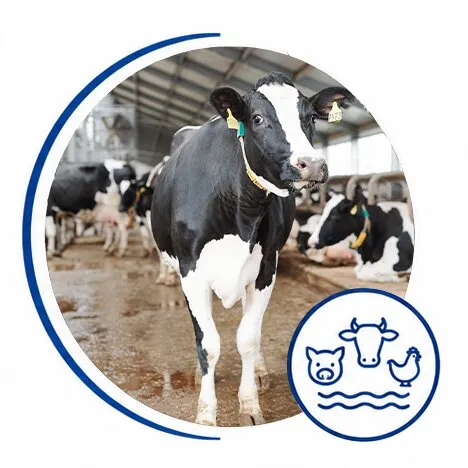
Large-scale dairy & swine CAFOs
Mega-dairies and swine operations generate high volumes of liquid manure and digestate. For these operators, thermal ammonia recovery turns a compliance cost into a locally marketable crop fertilizer. It also eases pressure on nutrient management and cuts reliance on bought-in fertilizer.
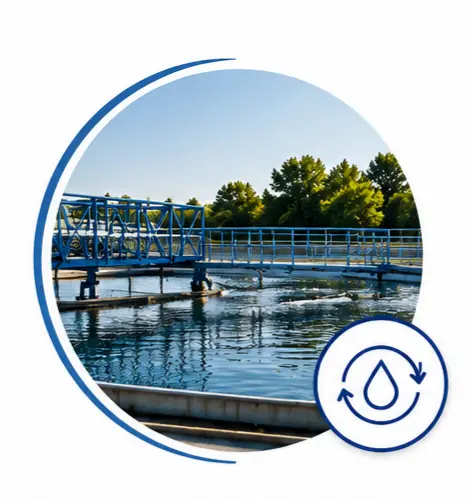
Municipal wastewater treatment plants (WWTPs)
Dewatering centrate and other high-strength sidestreams can carry a disproportionate share of a plant’s total nitrogen load back to the head of the works. Treating that stream at the source reduces the energy, chemical, and aeration burden placed on secondary biological treatment, which helps plants meet increasingly strict NPDES nitrogen limits.
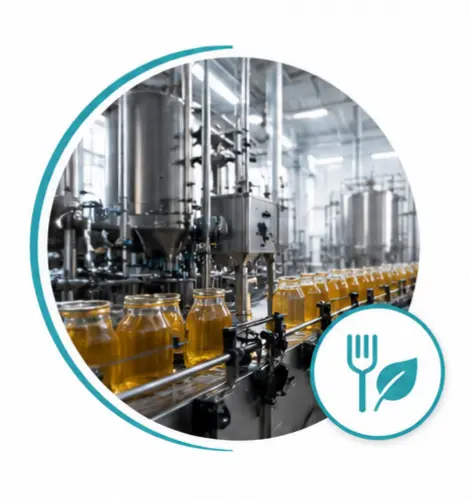
High-protein food & beverage processors
Meatpacking plants, dairy processors, breweries, and rendering plants use ammonia stripping to cut Total Kjeldahl Nitrogen before discharge. As a result, they avoid the high-strength surcharges municipalities apply to nitrogen-rich effluent.
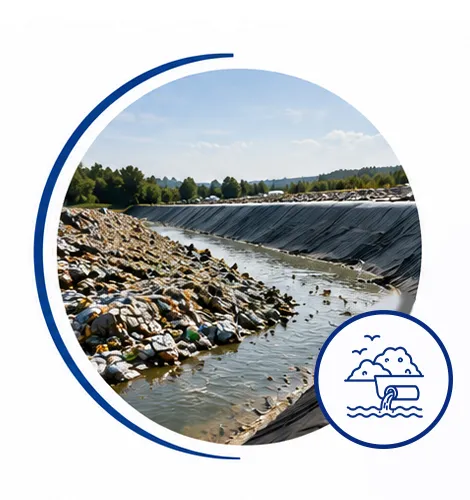
Solid waste & landfill operators
Landfill operators use ammonia stripping to manage heavy TAN loads in leachate. Because the system is low-maintenance, it offers a long-term treatment solution that keeps pace with tightening state and federal (EPA) discharge limits.
OTAR (Organics Thermal Ammonia Recovery)
OTAR® (On-Site Thermal Ammonia Recovery) is a modular platform with over 20 years of operational experience and proven installations across Asia and the UK, with growing adoption across the United States. For operators currently spending on biological nitrogen removal, Variant 2, water absorption, is usually the most commercially attractive option. It converts a treatment cost into ammonium hydroxide revenue, with no acid supply chain, no salt production, and no hazardous chemical handling. Where waste heat isn’t available, however, Variant 4’s heat recycling system still achieves a coefficient of performance exceeding 15, making thermal stripping viable even from cold electricity.