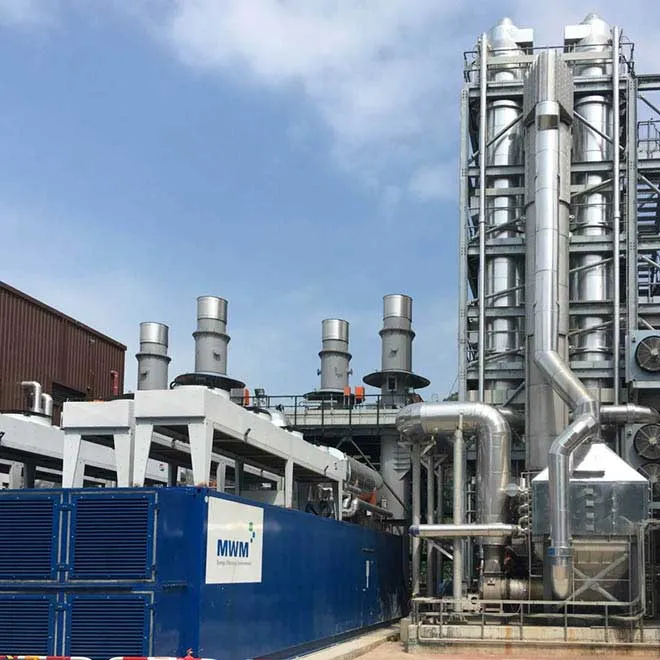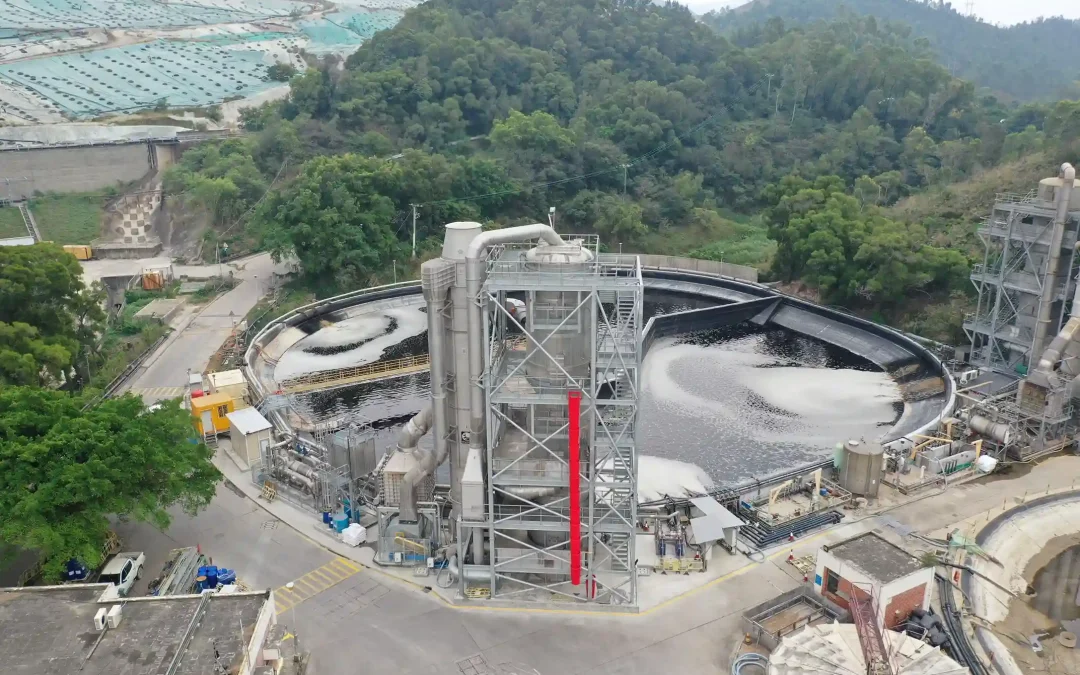
Several Hong Kong leachate treatment facilities run OTAR® Variant 1 on waste heat from landfill gas engines. As a result, they meet strict nitrogen discharge limits without handling any chemical products. It is also a proven, low-complexity approach to a notoriously difficult stream.
Landfill leachate ammonia treatment is one of the toughest challenges in waste management. However, OTAR® has solved it in real installations for more than 25 years. Below, we explain why leachate is so hard to treat and how OTAR® copes. We also cover the Hong Kong precedent and the option to recover ammonia as a product.
Why Landfill Leachate Ammonia Treatment Is Difficult
Leachate typically carries total ammoniacal nitrogen (TAN) concentrations of 1,000 to 4,000 mg/L. Some Hong Kong sites have recorded more than 6,000 mg/L. Moreover, these concentrations persist long after a landfill closes, sometimes for decades.
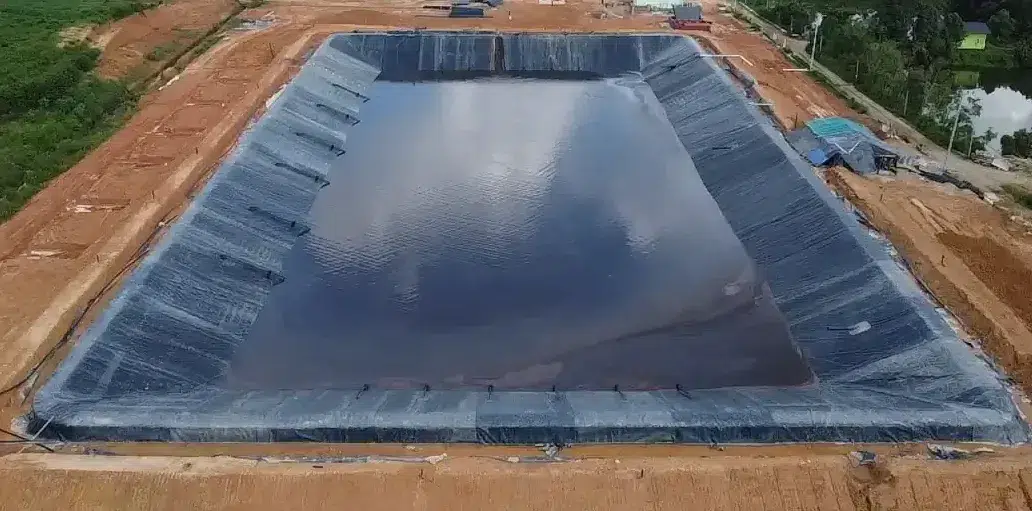
Biological nitrification is sensitive to temperature, pH and inhibitory compounds. Leachate is often cold and rich in inhibitors, including humic acids, heavy metals and volatile fatty acids. In addition, its volume and composition shift with the seasons. Keeping a stable nitrifying biomass under these conditions is very difficult. Therefore, process failures often cause permit breaches at the worst possible time.
Why Thermal Stripping Works Where Biology Struggles
OTAR® is a physico-chemical process, so temperature and pH equilibrium drive its performance, not biological activity. Inhibitors, seasonal changes in leachate composition and temperature variation within design limits thus do not affect it. Consequently, performance stays consistent and predictable throughout the year. This is especially valuable for operators with strict discharge limits or sensitive receiving waters.
The Hong Kong Precedent
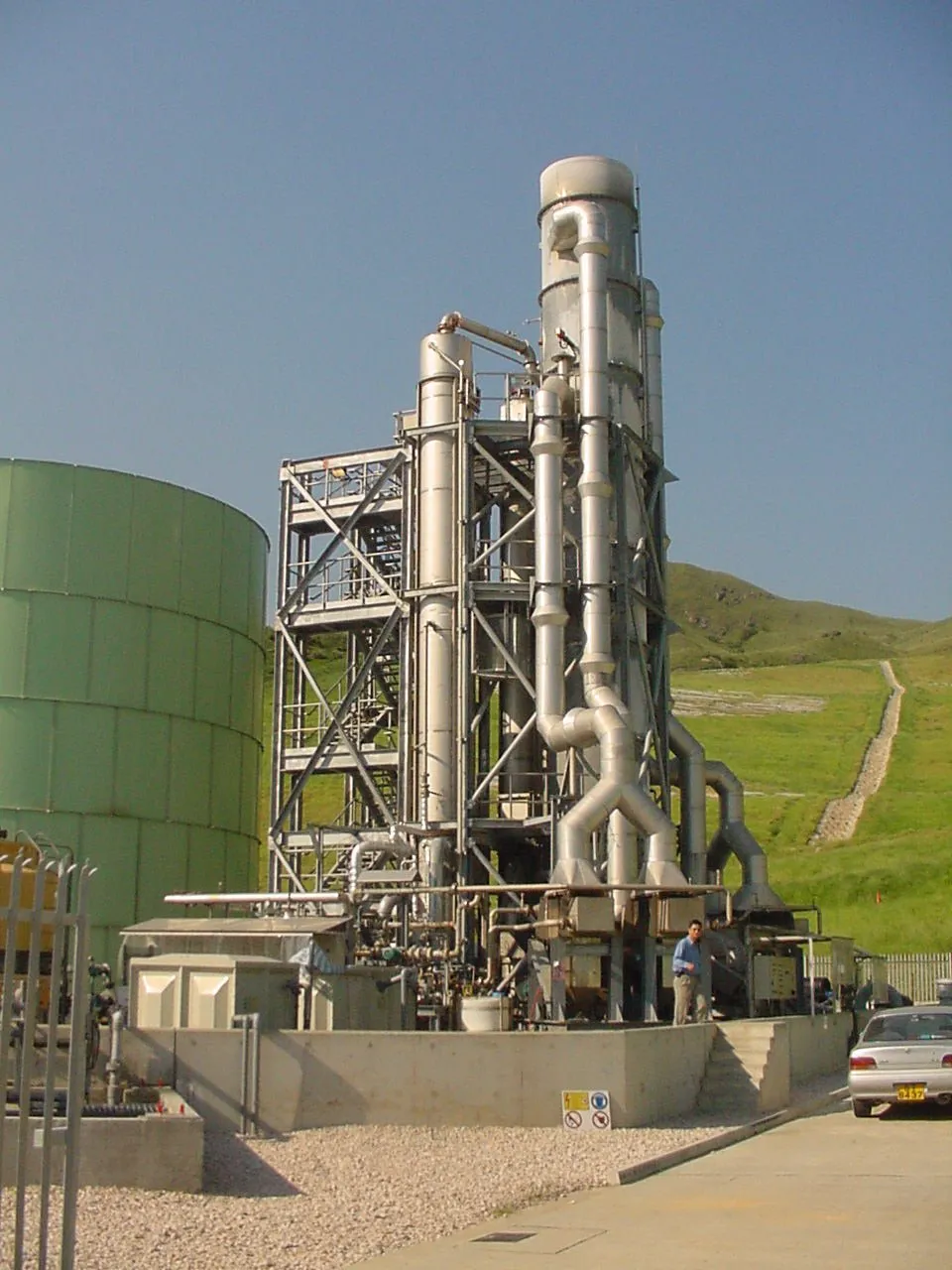
The best-documented OTAR® leachate references come from a series of installations in Hong Kong. For example, the WENT landfill system has operated since 1998. Because Hong Kong has strict nitrogen limits and no local ammonia market, Variant 1 became the best fit. Variant 1 pairs waste heat with thermal destruction.
These sites draw waste heat from nearby biogas engines and landfill gas generation. Thus, they achieved full regulatory compliance without chemical handling or product marketing. Likewise, this precedent applies directly to U.S. landfill operators facing tightening discharge permit conditions, including NPDES permits and POTW pretreatment limits.
The Recovery Option: When There Is a Market
When a buyer for ammonium hydroxide exists, OTAR® Variant 2 turns a compliance cost into partial revenue. Typical buyers are agricultural or industrial users. For instance, 5,000 m³ of leachate a year at 2,500 mg/L TAN holds about 12.5 metric tons of nitrogen. So, that nitrogen can yield roughly 50 to 60 metric tons of ammonium hydroxide solution a year. Operators can also start with Variant 1 and upgrade to Variant 2 once market arrangements develop. In many U.S. regions, agricultural and industrial buyers are closer at hand than in Hong Kong, which can make recovery worth evaluating from day one.
Who Else in the U.S. Faces This Ammonia Challenge?
Leachate is the hardest high-TAN stream, but the same physico-chemical logic applies across the segments Organics USA serves:
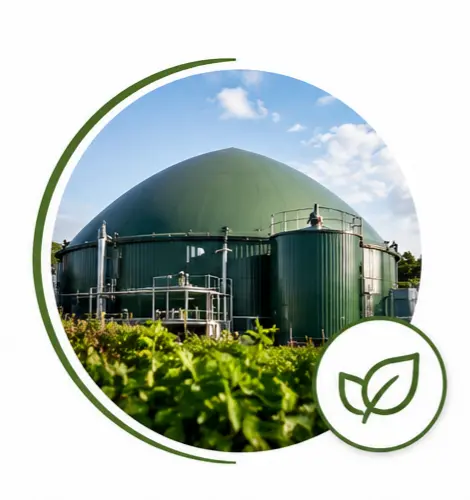
Commercial AD & Biogas Developers
Sites that pair landfill gas or digester biogas engines with high-TAN liquids already have the waste heat that makes OTAR® efficient.
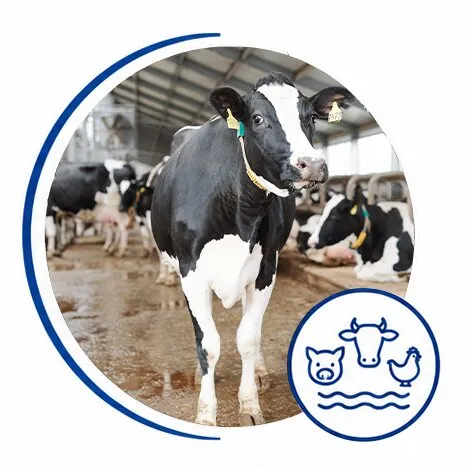
Large-scale dairy & swine CAFOs
Where operators handle similarly inhibitory, nitrogen-heavy liquids, stripping avoids the biological instability that leachate operators know well, and Variant 2 or 3 turns the ammonia into a farm-ready fertilizer.
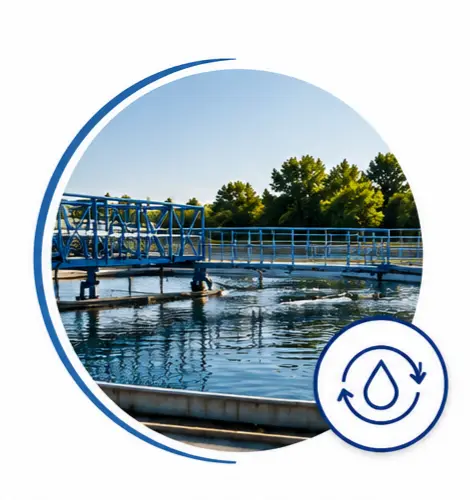
Municipal wastewater treatment plants (WWTPs)
Plants that accept hauled or piped leachate often see it as a nitrogen shock load on their biological process. Pretreating leachate with OTAR® at the landfill, or treating the plant’s own high-strength sidestreams, protects nitrification and helps plants keep meeting NPDES nitrogen limits.
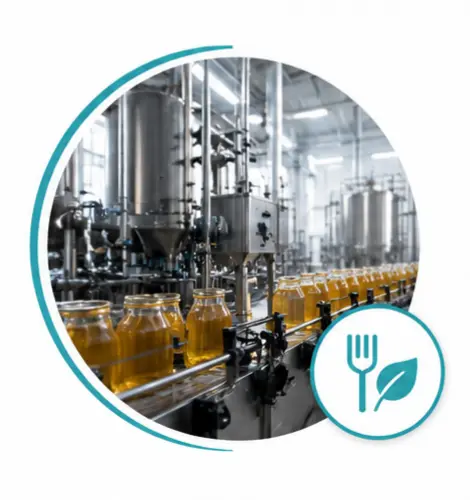
High-protein food & beverage processors
Protein-rich effluents can swing in strength and temperature. Because OTAR® does not depend on a living biomass, it handles those swings without the process failures that cause permit breaches.
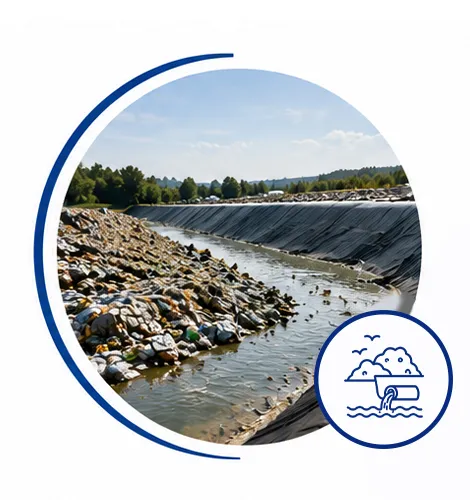
Solid waste & landfill operators
Operators of active and closed landfills use thermal stripping to hold permit compliance through cold seasons and long post-closure periods, with waste heat from landfill gas engines as the natural energy source.
How do you remove ammonia from landfill leachate?
Thermal ammonia stripping removes ammonia from landfill leachate without relying on biology. OTAR® uses waste heat to strip the ammonia, then destroys it or recovers it as ammonium hydroxide. Because the process is physico-chemical, inhibitors and seasonal swings do not disrupt it. Hong Kong sites have relied on this approach for more than 25 years.
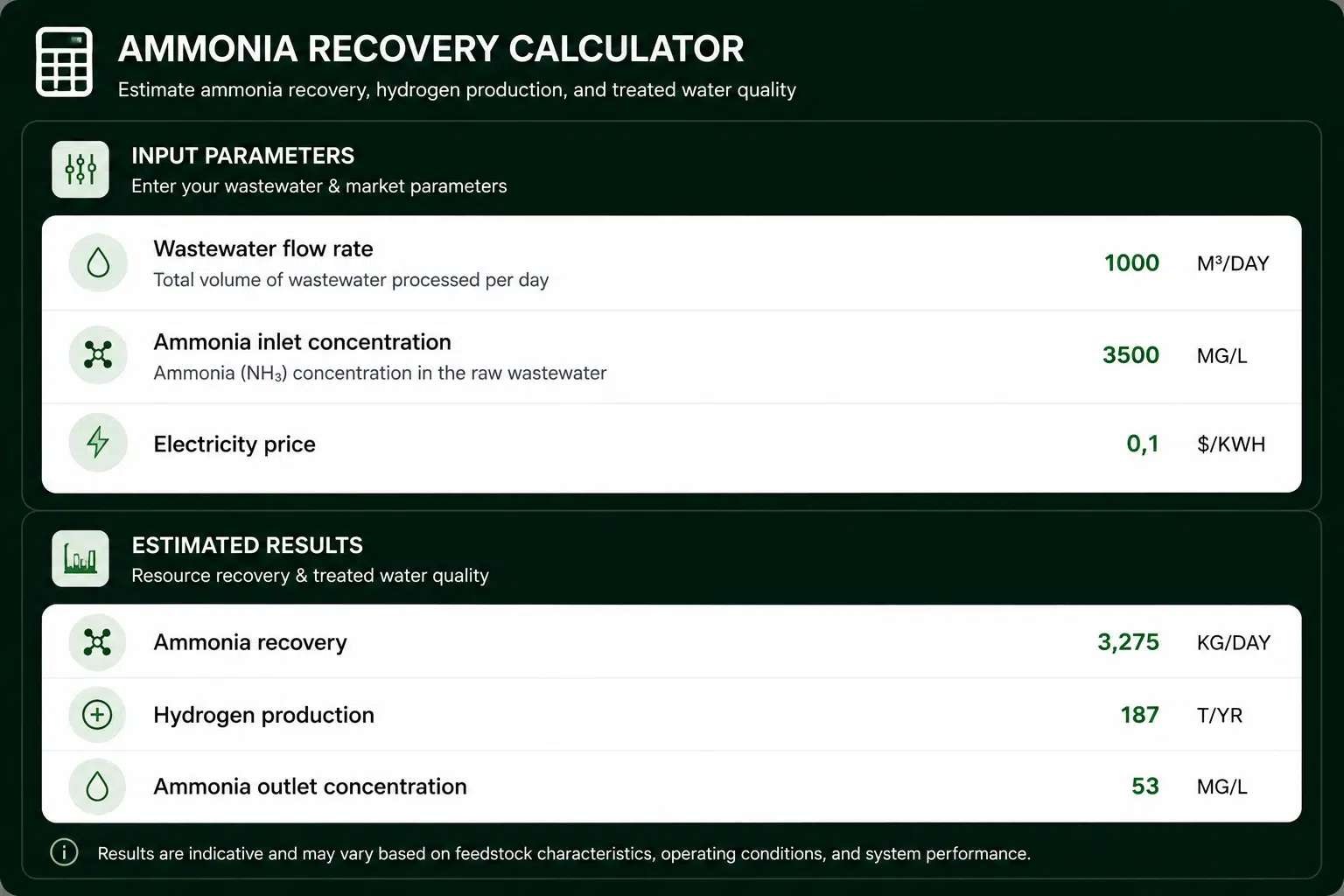
Estimate Your Own Payback
Evaluate the potential to recover ammonia and produce hydrogen while understanding the energy requirements and economics of your wastewater treatment process.
Free • Preliminary Estimate • No Commitment
The OTAR Approach
OTAR (Organics Thermal Ammonia Recovery)
OTAR is a modular platform with over 20 years of operational experience and proven installations in Asia. For operators currently spending on biological nitrogen removal, the most commercially attractive configuration is Variant 2. Which is the water absorption that converts a treatment cost into ammonium hydroxide revenue with no acid supply chain, no salt production and no hazardous chemical handling. Where waste heat is unavailable, Variant 4’s heat recycling system achieves a coefficient of performance exceeding 15, making thermal stripping viable even from cold electricity.