
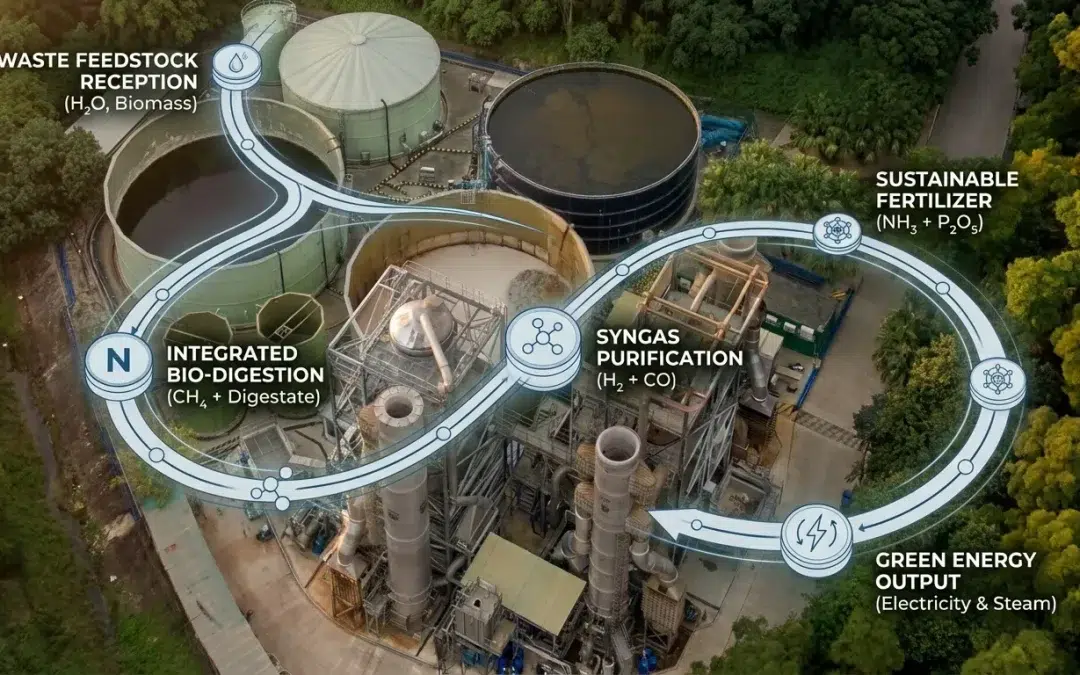
The fertilizer industry consumes more than 115 million metric tons of nitrogen every year, almost all of it fixed from atmospheric nitrogen using enormous quantities of fossil energy. Meanwhile, waste streams around the world discharge reactive nitrogen to rivers, groundwater and the atmosphere. OTAR® sits at the intersection of these two facts.
The circular economy is well understood in the context of materials and plastics. Its application to nitrogen — one of the planet’s most critical and most wasted resources — is less familiar but arguably more consequential.
The Nitrogen Problem at Scale
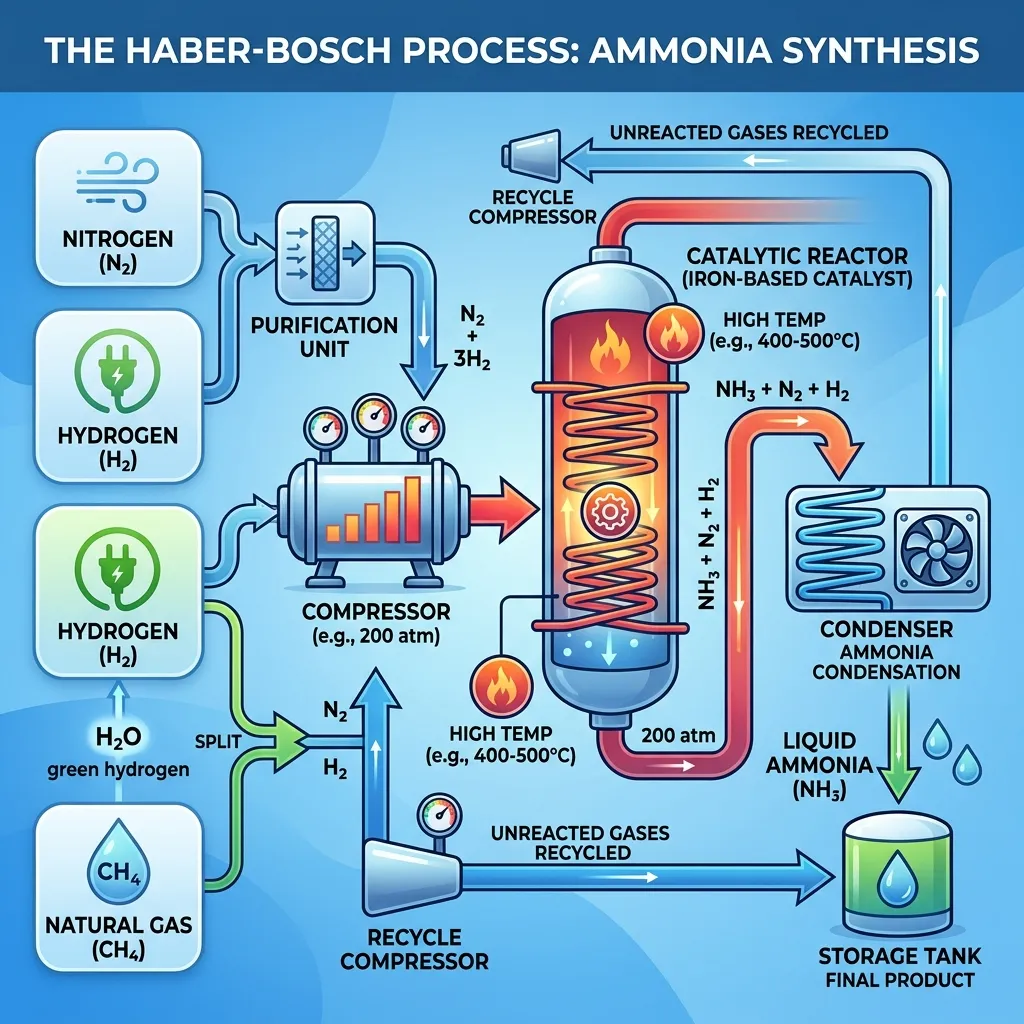
The Haber-Bosch process fixes atmospheric nitrogen into reactive ammonia for fertilizer production. It consumes approximately 1–2% of the world’s annual energy supply and accounts for around 1.4% of global CO₂ emissions. Despite this investment, much of the nitrogen fixed by Haber-Bosch is lost before it delivers its intended benefit: leached into waterways causing eutrophication, volatilized to the atmosphere contributing to indirect greenhouse gas emissions through nitrous oxide formation, or discharged in waste streams as a compliance problem.
What OTAR Does for the Nitrogen Cycle
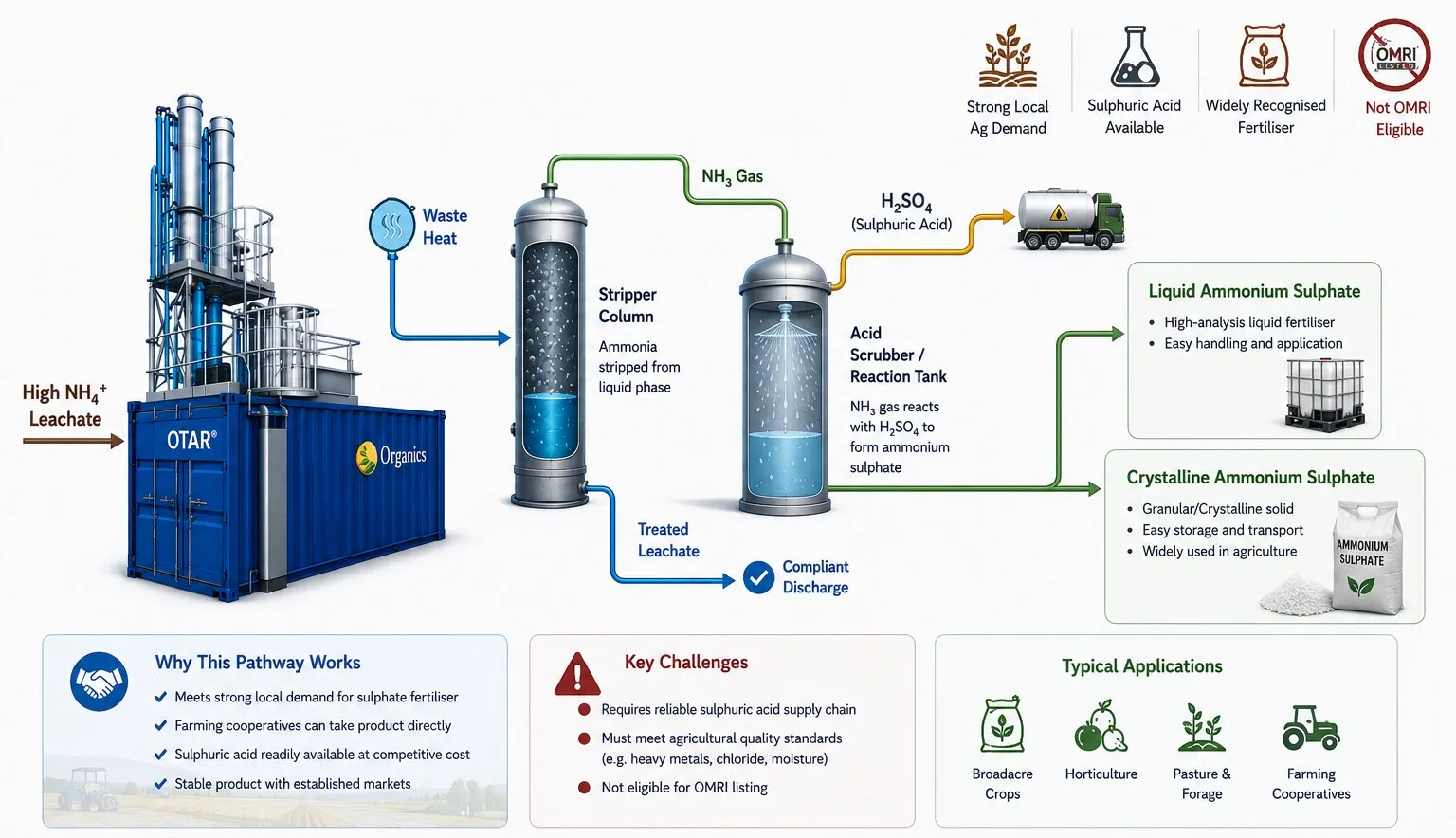
OTAR® intercepts reactive nitrogen at the point of concentration — in digestate, wastewater, leachate or industrial effluent — and returns it to productive use as ammonium hydroxide, anhydrous ammonia or, in Variant 3, ammonium sulfate. This closes a loop that is currently open: rather than fixing new nitrogen from the atmosphere (at Haber-Bosch energy cost), OTAR® captures nitrogen that has already been fixed and would otherwise be lost. The environmental arithmetic is compelling: every metric ton of nitrogen recovered by OTAR® displaces approximately 2 metric tons of CO₂ equivalent from avoided Haber-Bosch synthesis.
Regulatory and Policy Tailwinds
In the United States, nitrogen is already regulated through Clean Water Act NPDES permits, state nutrient criteria and total maximum daily load (TMDL) programs. Beyond individual permits, the Mississippi River/Gulf of Mexico Hypoxia Task Force has set targets to cut nitrogen and phosphorus loads to the Gulf by 20% by 2025 and 45% by 2035, and the states in the basin have written nutrient reduction strategies that reach wastewater plants, industry and agriculture. Programs such as the Chesapeake Bay TMDL apply the same pressure in other watersheds. OTAR® operators are positioned ahead of these trends — recovering nitrogen today, before tighter limits and nutrient-use expectations reach their sites.
The Hydrogen Economy Dimension
Ammonia is increasingly recognized as a scalable carrier for renewable hydrogen — its high energy density and existing global transport infrastructure make it a leading candidate for zero-carbon maritime fuel and industrial energy storage. The U.S. already has ammonia storage, pipeline and terminal infrastructure serving agriculture and industry.
OTAR® Variant 2 can produce anhydrous ammonia (by concentration of recovered ammonium hydroxide) that feeds directly into this emerging value chain. For facilities that invest in OTAR® today as a wastewater treatment solution, the option to supply the hydrogen economy in the future is a genuine strategic asset.
What This Means for Each U.S. Segment
Recovered nitrogen carries a different strategic value depending on who you are:
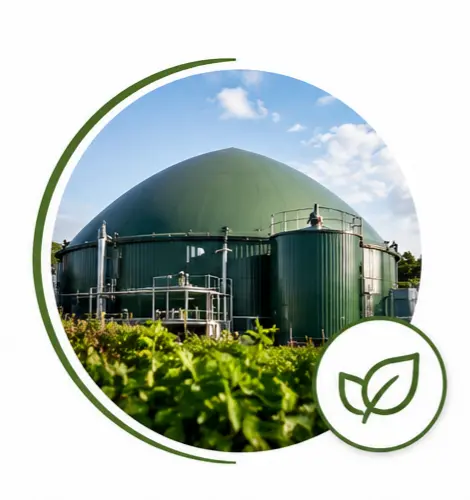
Commercial AD & Biogas Developers
Returning nitrogen to productive use strengthens the sustainability story of digestate-derived products and of the renewable-energy project as a whole.
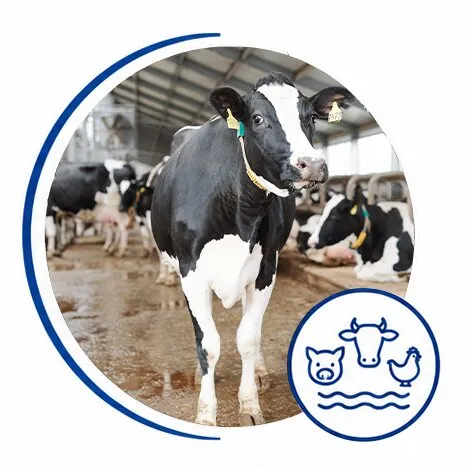
Large-scale dairy & swine CAFOs
Capturing ammonia before it volatilizes or leaches keeps nitrogen on the farm’s books, supports state nutrient management expectations, and replaces purchased fertilizer.
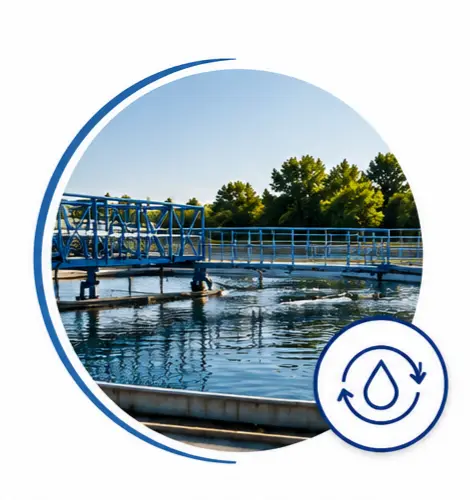
Municipal wastewater treatment plants (WWTPs)
Recovering nitrogen from centrate reframes the plant as a water resource recovery facility, while cutting the energy and nitrous oxide associated with biological nitrogen removal.
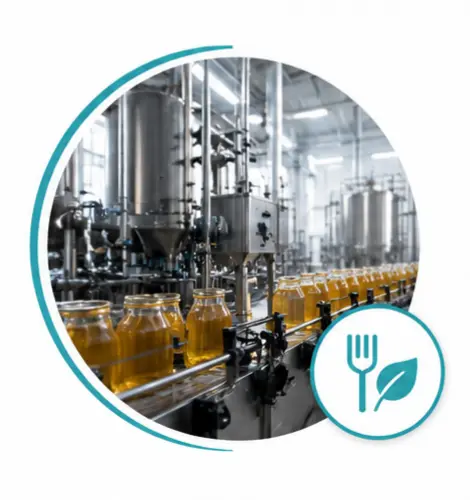
High-protein food & beverage processors
Recovered nitrogen supports corporate ESG and net-zero commitments with a measurable, auditable number, and can close the loop with agricultural suppliers.
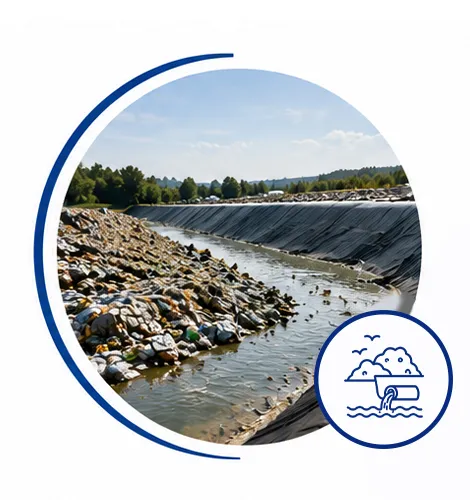
Solid waste & landfill operators
Leachate nitrogen that would otherwise be destroyed biologically can be returned to use, turning a decades-long compliance liability into a documented resource-recovery outcome.