
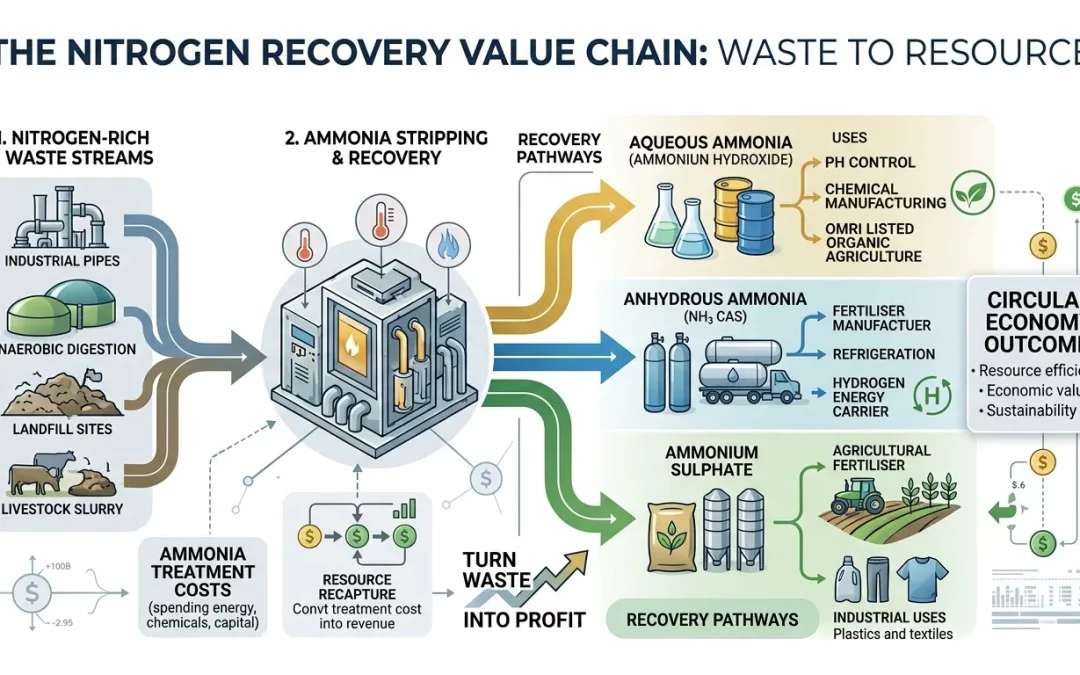
Most industrial, municipal, and agricultural facility managers in the United States know exactly what it costs to treat ammonia to meet strict environmental standards. However, very few have calculated the sheer dollar value that leaves their facility every single day. By looking at a real-world commercial case study, we can look directly at the math showing how treating high-strength streams as an asset changes the financial game.
Where Does Ammonia Come From in US Waste Streams?
Ammoniacal nitrogen is a persistent, regulated byproduct across America’s most critical industrial, municipal, and agricultural sectors. In US, the commercial development and technical biogas potential vary significantly by sector:
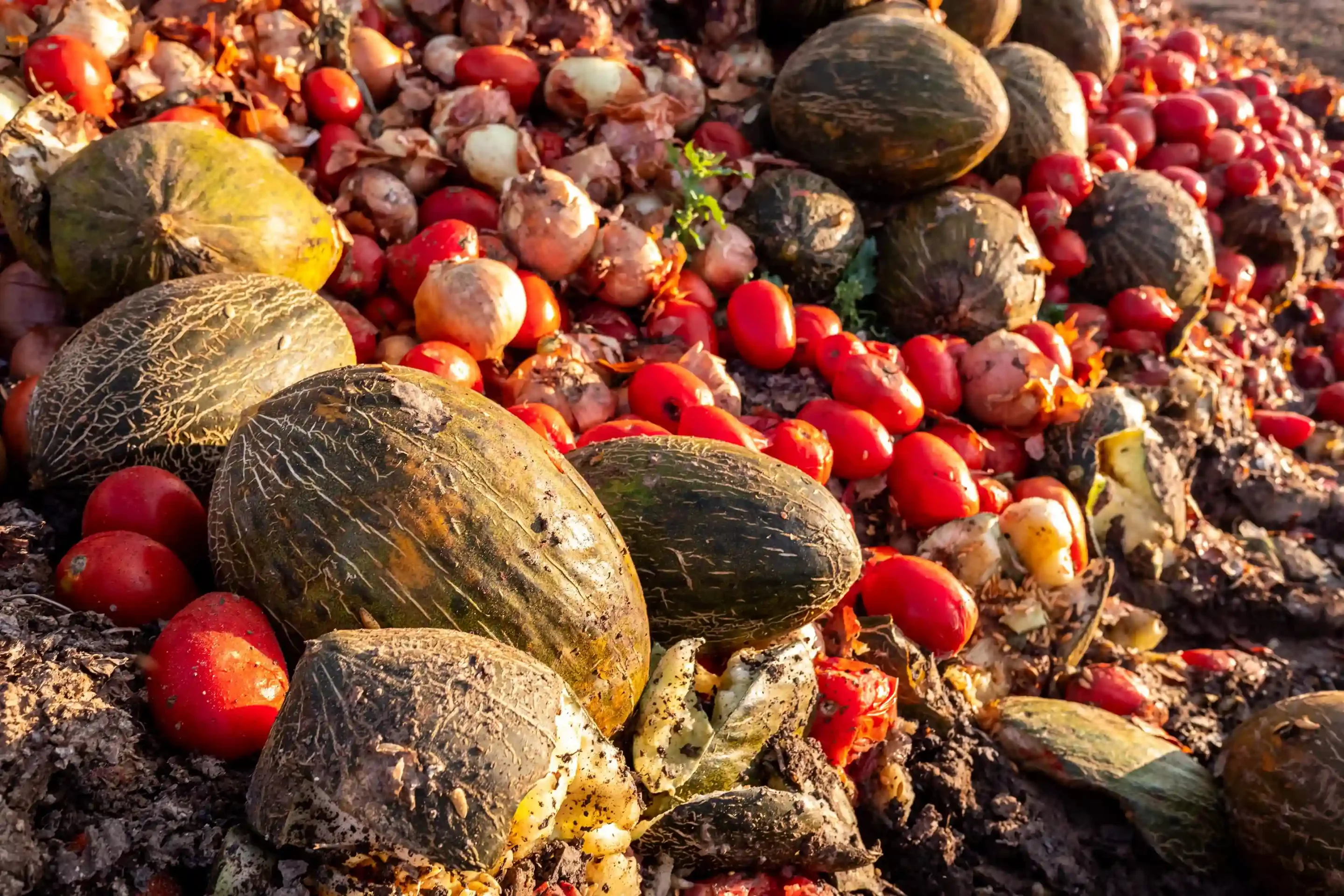
Food Waste & Organic MSW
Holding a “Very High” technical biogas potential, this sector represents a high and growing segment of commercial development in the US. High-protein food processing effluents carry immense treatment and recovery potential.
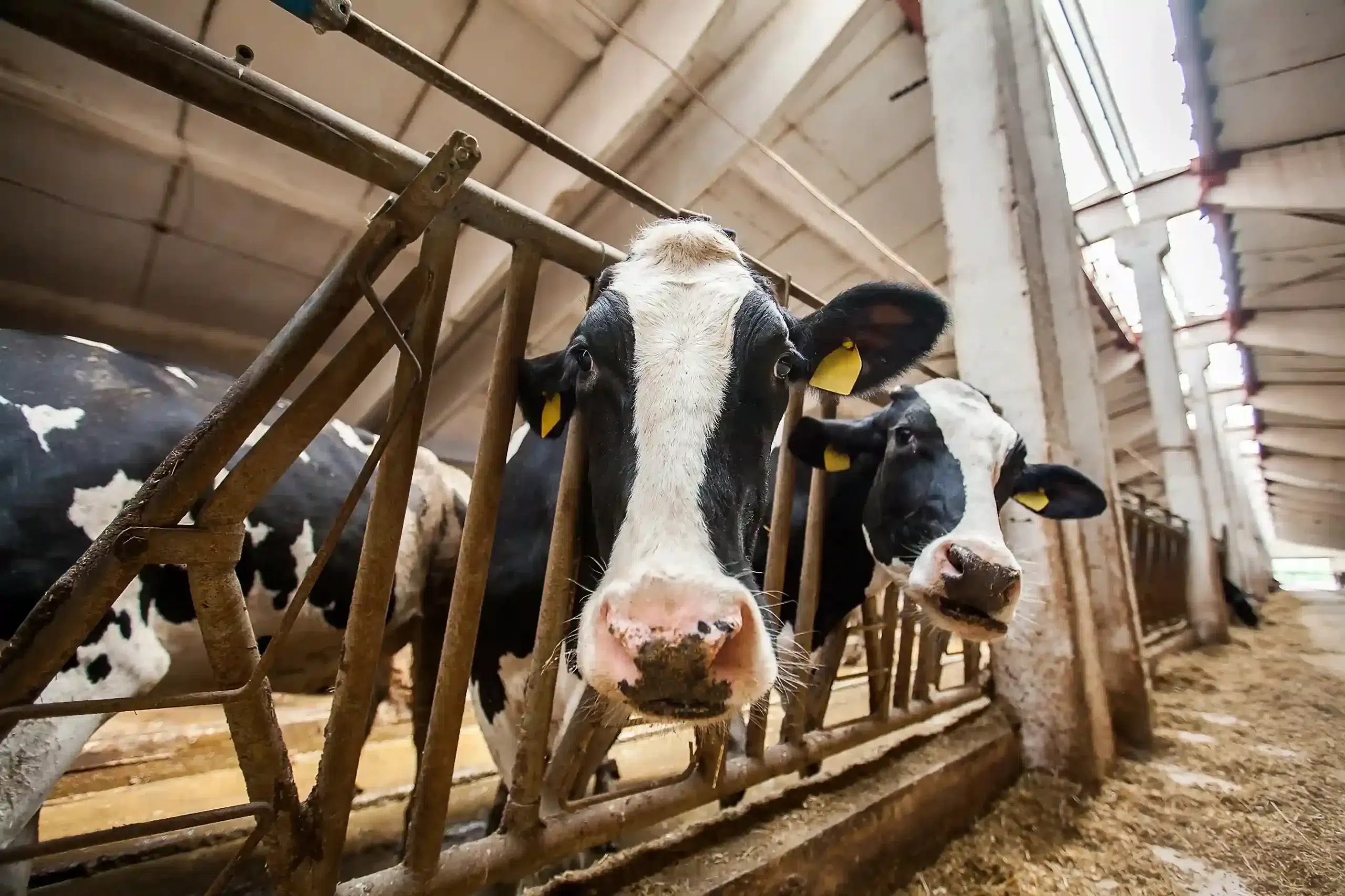
Dairy & Swine Manure
Dairy manure represents the single highest commercial development sector within US agriculture. These large-scale operations produce substantial volumes of liquid manure and digestate with direct fertilizer value.
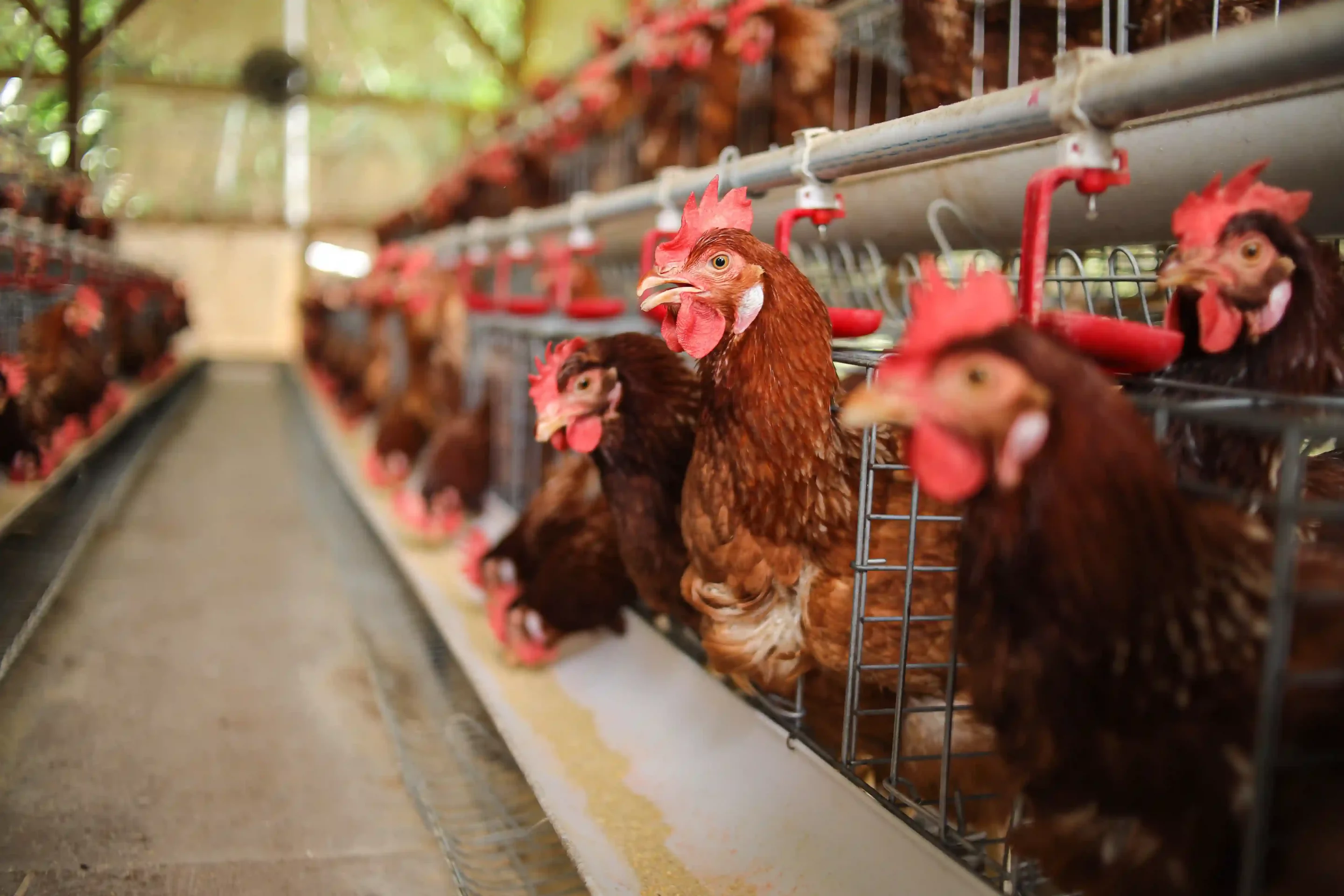
Poultry Manure
Despite a more limited commercial biogas footprint in the US, poultry manure creates a massive high-strength chemical challenge. The liquid fraction after dewatering regularly carries punishing Total Ammoniacal Nitrogen (TAN) concentrations between 1,500 and 5,000 mg/L.
Landfill Gas (LFG) & Wastewater Sludge
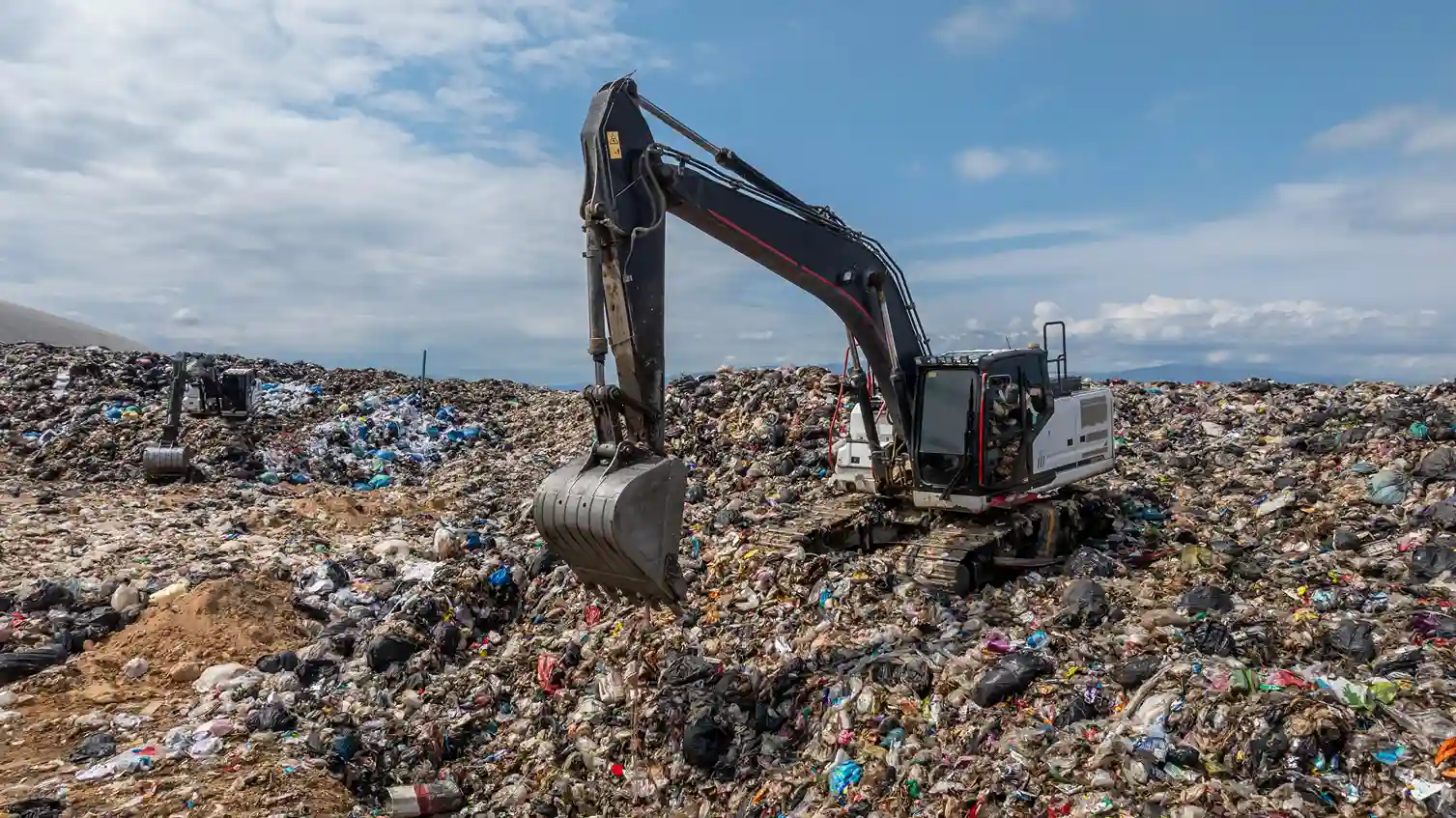
As a high-methane resource, LFG is America’s most mature RNG sector. However, the accompanying long-term landfill leachate creates persistent, challenging TAN loads that must be actively managed for decades.
Wastewater Sludge & Industrial Effluents
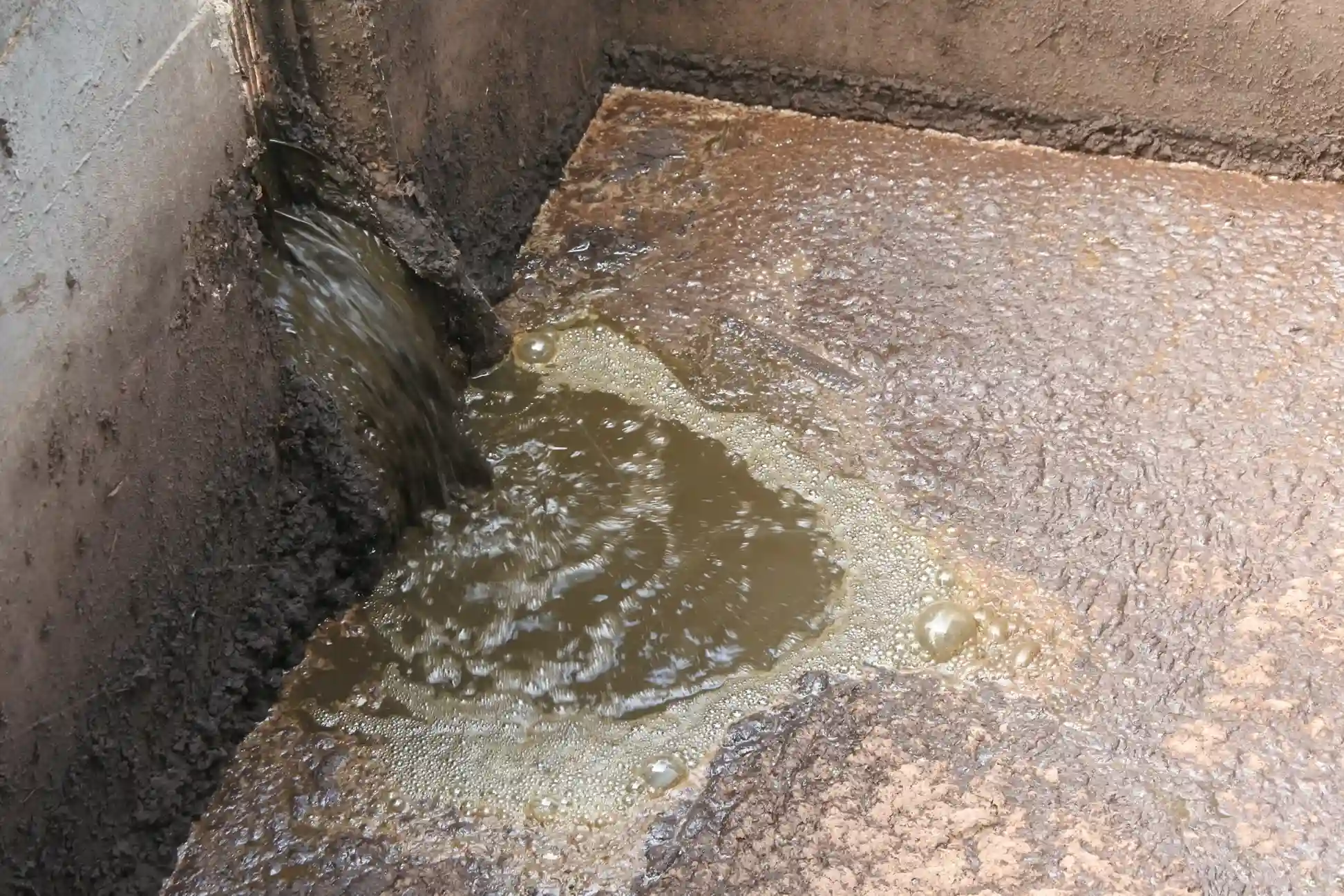
A highly mature municipal sector. Standard sludge dewatering at treatment plants returns a high-strength ammonia centrate straight back to the headworks, severely overloading secondary biological systems.
The “Double Payment” Tax on US Facility Budgets
Facilities that treat ammonia through biological nitrogen removal effectively pay twice for the same nutrient.
First, operators spend immense capital to destroy the nitrogen—paying for continuous grid power to run aeration blowers, adding external carbon sources (like methanol), purchasing alkalinity supplements, and paying tipping fees to haul away the resulting biological sludge.
Then, those same operations turn around and buy virgin ammonium hydroxide, commercial synthetic fertilizers, or industrial ammonia from third-party chemical distributors at full market price.
This represents a major circular economy failure in conventional waste management: paying premium rates to incinerate an asset biologically, only to buy it right back
The OTAR Approach
OTAR (Organics Thermal Ammonia Recovery)
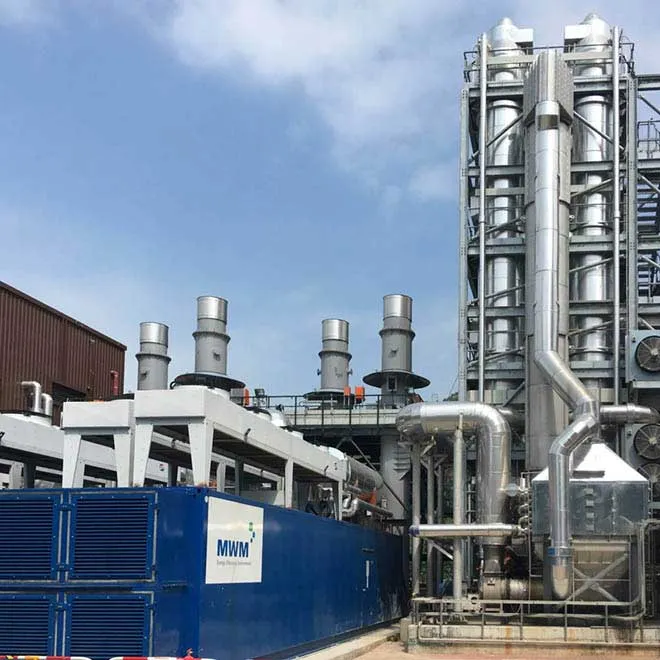
OTAR is a modular platform with over 20 years of operational experience and proven installations in Asia. For operators currently spending on biological nitrogen removal, the most commercially attractive configuration — Variant 2, water absorption — converts a treatment cost into ammonium hydroxide revenue with no acid supply chain, no salt production, and no hazardous chemical handling.
Where waste heat is unavailable, Variant 4’s heat recycling system achieves a coefficient of performance exceeding 15, making thermal stripping viable even from cold electricity.
Calculating the Value: A Worked Example
To see the financial reality, let’s look at the calculations for a typical US anaerobic digestion facility processing 55,000 tons (approx. 50,000 metric tonnes) of regional food waste or high-nitrogen agricultural feedstocks per year.
Food waste holds some of the highest technical biogas potential available. A standard digestion layout of this scale yields a liquid digestate fraction of roughly 8 million gallons (approx. 30,000 m³) annually, maintaining a conservative TAN concentration of around 3,000 mg/L
Total recoverable nitrogen: 3,000 mg/L × 30,000,000 liters = 90,000 kg TAN per year (~99 US Tons of pure Nitrogen)
Converted to ammonium hydroxide solution (20–25% NH₃): Approximately 400 to 500 US tons (360–450 metric tonnes) of premium liquid product annually
At standard wholesale chemical rates, this stream represents an estimated $85,000 to $115,000 per year in pure, recoverable product value—from a liquid line currently viewed as an expensive compliance liability
High-Value Byproduct Qualification (OMRI)
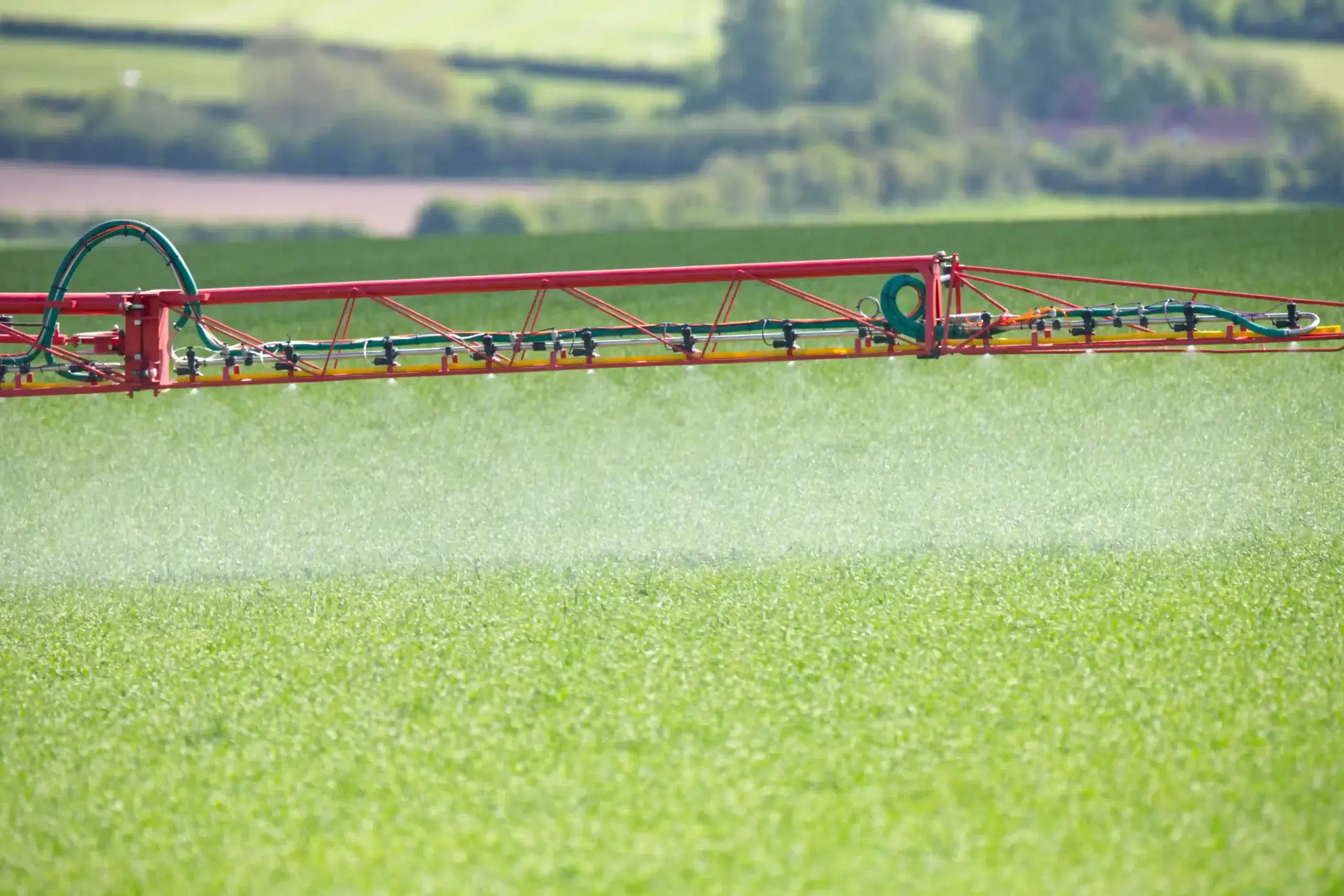
Where things get highly lucrative for US plant operators is the regulatory classification of the output. Because OTAR® Variant 2 captures ammonia gas using a pure thermal water-matrix pathway with zero synthetic acid additives, the resulting liquid qualifies for an OMRI (Organic Materials Review Institute) listing.
Since demand for input-compliant organic fertilizers is exceptionally high among US commercial growers, operators can sell this clean byproduct at a premium over conventional synthetic alternatives, drastically shortening the equipment’s ROI timeline.
What Can Your Recovered Nitrogen Become?
The modular architecture of the OTAR® (Organics Thermal Ammonia Recovery) system allows US operators to adapt their output to match local commodity markets:
Ammonium hydroxide (aqueous ammonia, 20–25% NH₃)
Absorbed directly into a clean water matrix without external acids, making it eligible for OMRI listing for organic farming. This solution is also highly sought after by industrial facilities for pH adjustment, municipal emissions control (NOx reduction), and chemical manufacturing. This is our core Variant 2 setup and the highest-margin path for facilities near agricultural hubs.
Anhydrous ammonia
Produced by integrating a secondary concentration step onto the OTAR® system. This yield produces a highly concentrated, versatile compound used for mass fertilizer production, commercial refrigeration, and the emerging zero-carbon hydrogen energy economy.
Ammonium sulphate
Formed by reacting the recovered ammonia gas directly with standard sulfuric acid (OTAR® Variant 3). This delivers an established fertilizer with strong agricultural market demand, especially in geographic regions requiring sulfur-deficient soil remediation.
Thermal destruction
For isolated industrial installations where no viable local off-take market or agricultural buyer exists, the stripped ammonia gas can be routed to a high-temperature thermal oxidation unit (OTAR Variant 1). This destroys the compound safely into clean nitrogen gas and water vapor, achieving regulatory compliance and satisfying strict EPA Clean Air Act rules using the facility’s otherwise wasted heat
The Turnkey OTAR® Advantage
Bypassing biological destruction does not mean stepping into unproven territory. Backed by over two decades of verified operational runtime, OTAR® Variant 2 converts a painful compliance cost into an automated revenue generator—all with no acid supply lines, no byproduct salt handling, and no hazardous chemical storage.
Even if your facility lacks abundant waste heat, our specialized heat-recycling configuration (Variant 4) achieves a commercial coefficient of performance (COP) exceeding 15, making high-efficiency thermal stripping highly profitable even on standard electricity inputs.
The nitrogen molecules already exist in your stream. The commercial demand in the US market is already there. The choice is simple: continue paying to destroy it, or start capturing its value.