OTAR® Ammonia Recovery Technology: 5 Configurations for Every US Site

OTAR® Ammonia Recovery Technology: 5 Configurations for Every US Site

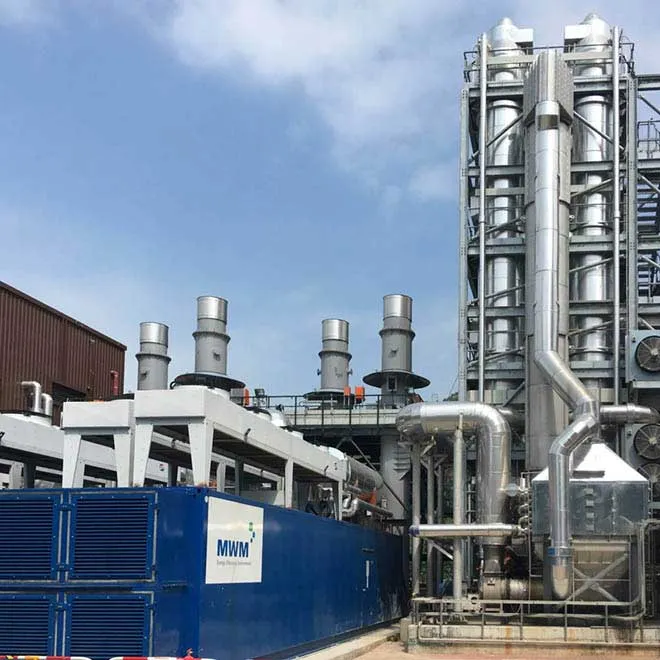
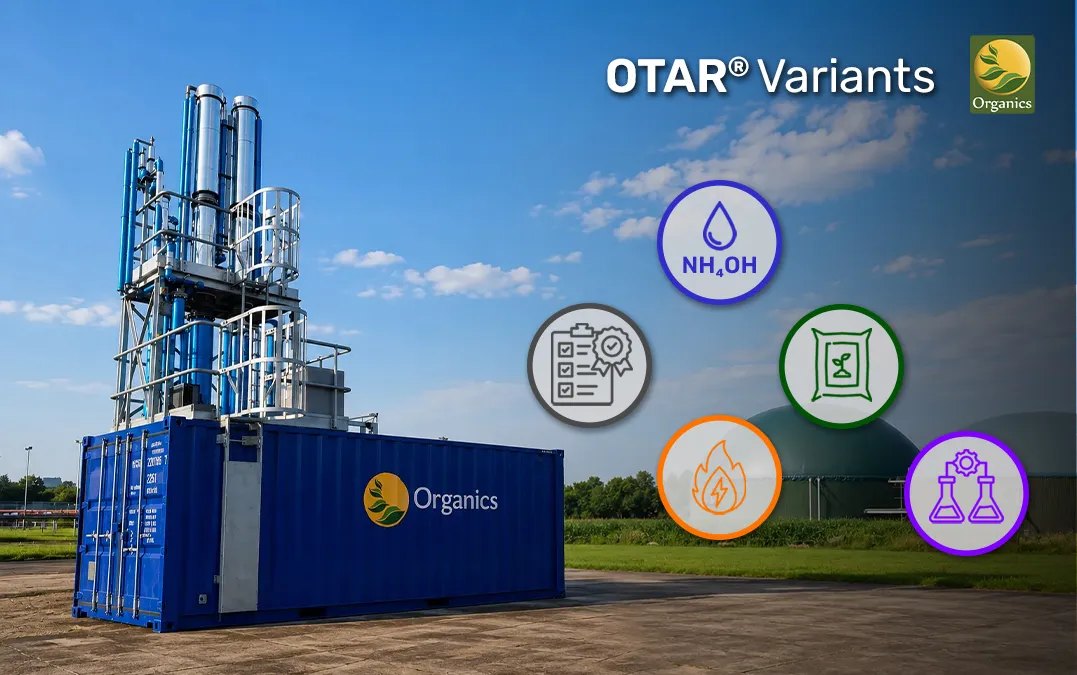
With over 20 years of operational experience and proven installations across Asia, OTAR delivers trusted ammonia recovery solutions. Its five-variant platform serves U.S. anaerobic digestion operators, CAFOs, municipal wastewater plants, food and beverage processors, and landfill operators. To achieve optimal efficiency, every system is designed for each site’s waste heat availability, ammonia load, and end-product market.

Ammonia, measured as Total Ammoniacal Nitrogen (TAN), is one of the most expensive challenges in organics management. High TAN levels inhibit methanogens in anaerobic digesters, while increasing chemical and aeration costs at wastewater treatment plants. Furthermore, these high concentrations trigger wastewater surcharges for industrial dischargers and continue to persist in landfill leachate for decades. OTAR® ammonia recovery technology treats TAN as a recoverable nitrogen asset, not a compliance cost. OTAR is a modular platform that adapts to each site.

One Platform, Built for Five U.S. Industries

OTAR® was engineered around a simple reality: no two facilities have the same ammonia problem. Biogas developers, dairy CAFOs, municipal plants, food processors, and landfill operators all generate high-ammonia streams. Each requires a different balance of energy, chemical use, and product output. Here is how the platform maps to five industries facing the toughest ammonia and nitrogen challenges in the United States today.

small OTAR

Commercial Anaerobic Digestion & Biogas Developers

Co-digestion plants, food waste processors, and agricultural biogas developers often process high-nitrogen feedstocks.
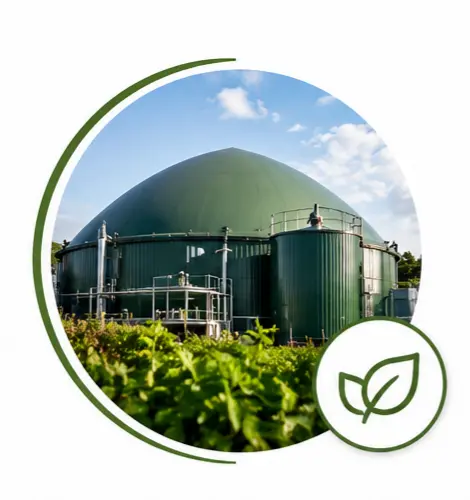
Ammonia toxicity can occur before digesters reach their organic loading limit. OTAR® removes TAN from digestate or centrate before it inhibits methanogenesis. This protects biogas yield and creates a second revenue stream from recovered ammonium products.

Large-Scale Dairy & Swine Operations (CAFOs)

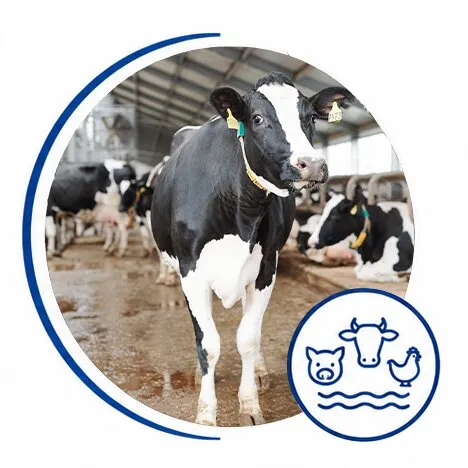
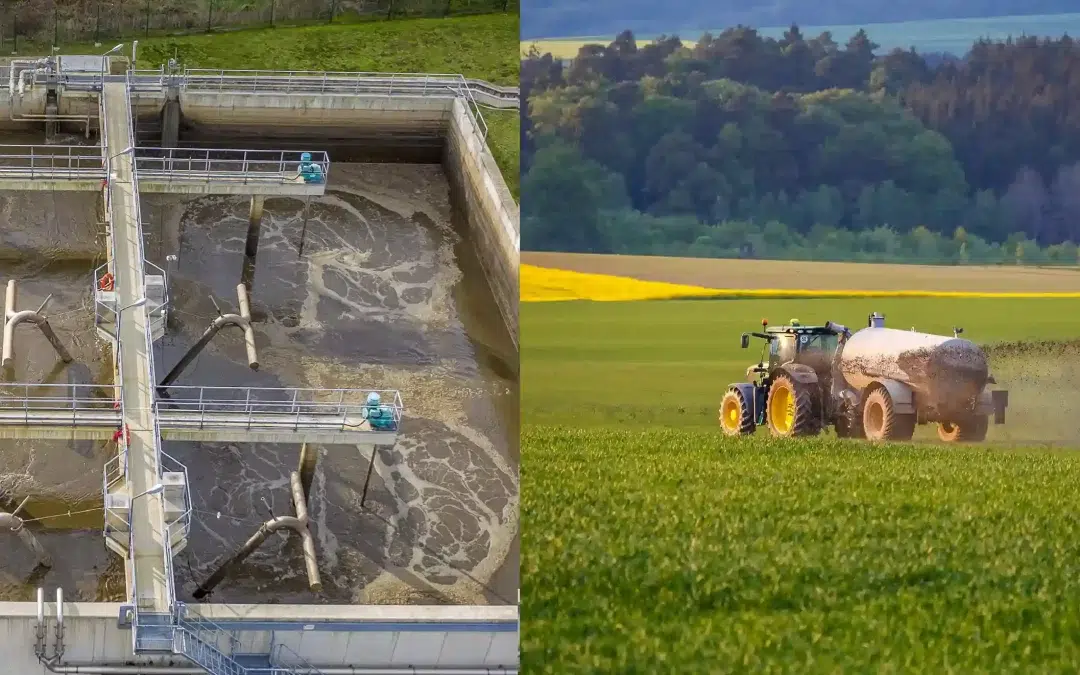
Mega-dairies and swine CAFOs generate enormous volumes of liquid manure and digestate, and nutrient management compliance is only getting stricter. OTAR® converts a permitting and land-application liability into a marketable crop fertilizer. It turns a compliance cost center into a revenue stream

Municipal Wastewater Treatment Plants (WWTPs)

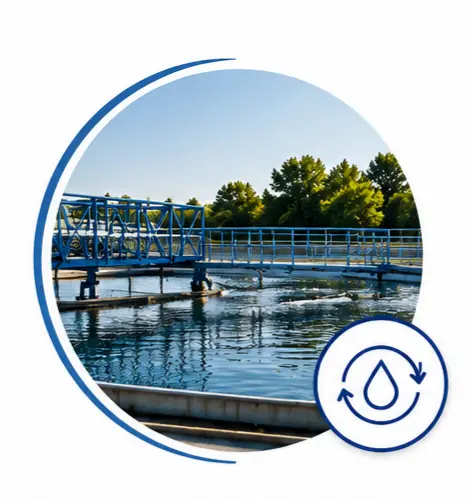
Dewatering centrate and other high-strength sidestreams contain a large share of a plant’s nitrogen load. They return this nitrogen to the headworks for repeated treatment. Treating ammonia at the source with OTAR® reduces energy, chemical, and aeration demand. This helps plant superintendents and municipal engineers meet tighter nitrogen discharge limits.

High-Protein Food & Beverage Processors

Meatpacking, dairy processing, fermentation, and rendering plants often discharge high-strength nitrogen effluent. Many face significant municipal wastewater surcharges, especially across the Midwest. OTAR® strips ammonia on-site, cutting surcharge exposure and, depending on the configuration selected, producing a saleable ammonium product.

Solid Waste & Landfill Operators

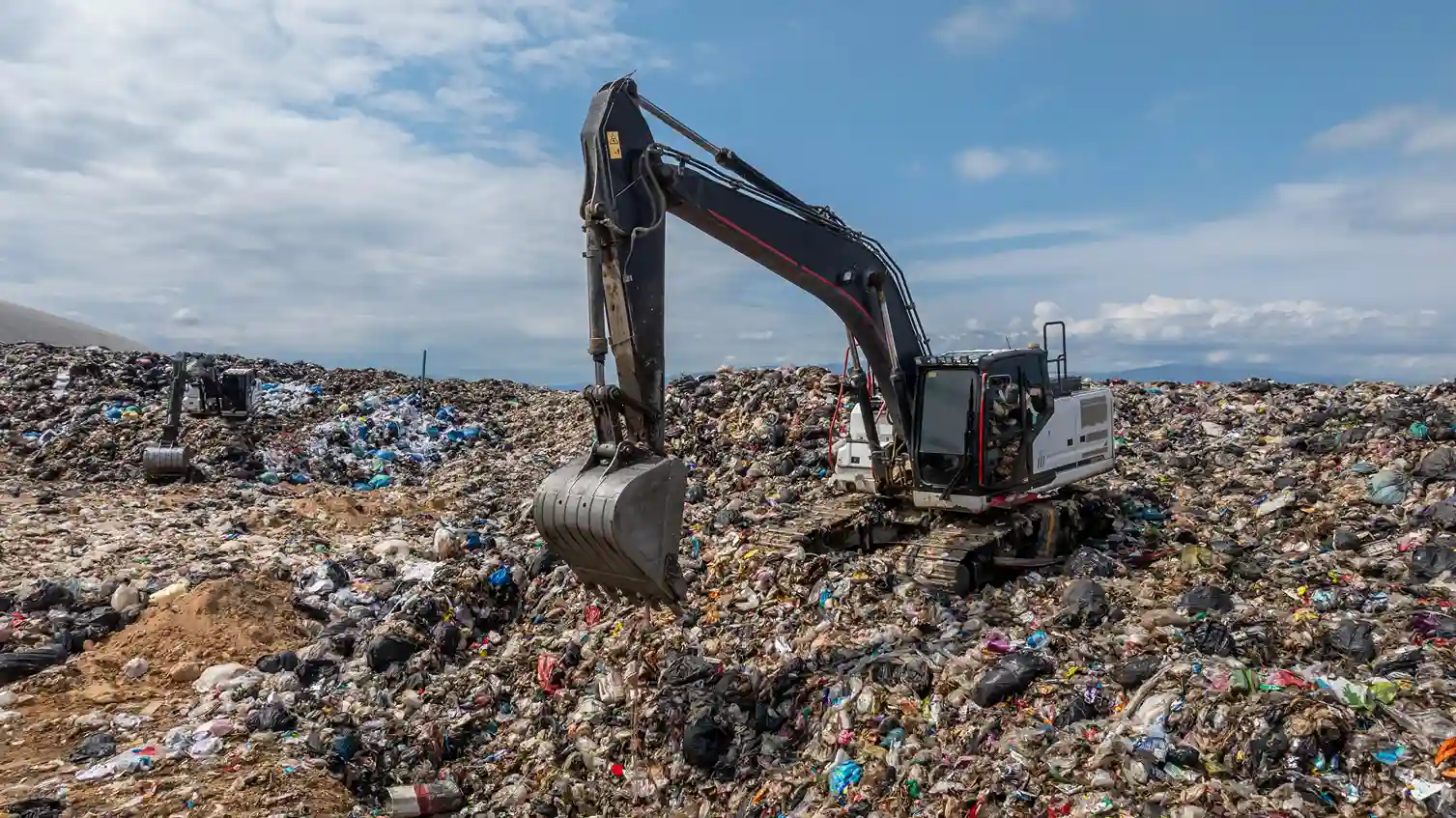
Landfill leachate carries heavy, persistent TAN loads that conventional biological treatment struggles to handle economically over the life of a site. OTAR® offers municipal and private waste management operators a long-term, low-maintenance ammonia treatment pathway suited to leachate’s variable flow and concentration.

Five Variants, One Adaptable Platform

Understanding OTAR® starts with understanding its modularity. Unlike single-purpose ammonia treatment systems, OTAR® is a flexible platform. It adapts to site conditions across all five target industries.

Variant 1

Waste Heat with Thermal Destruction

OTAR var1 process

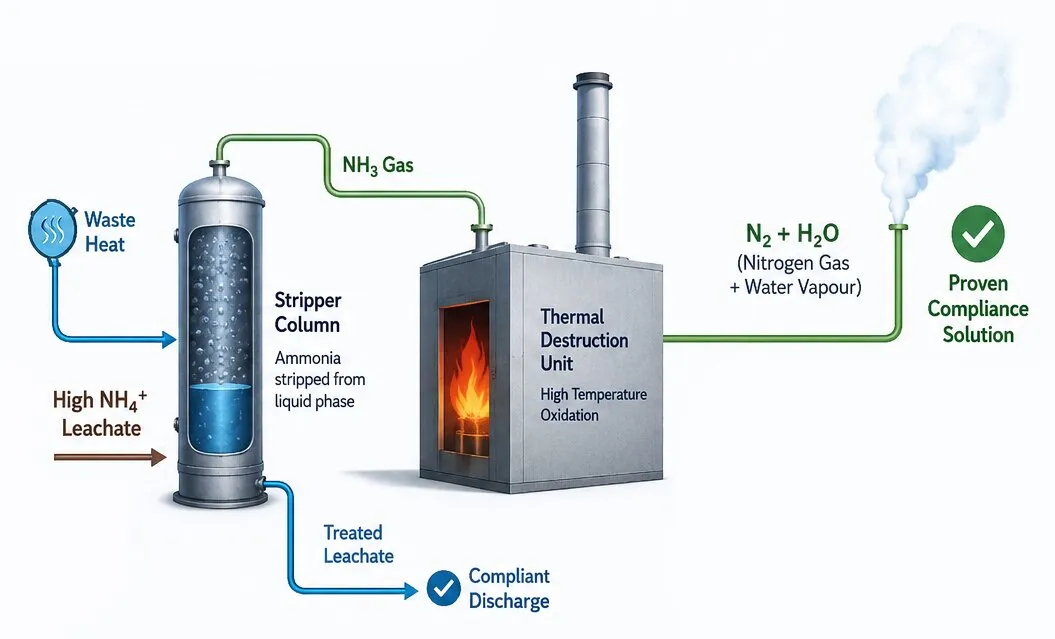
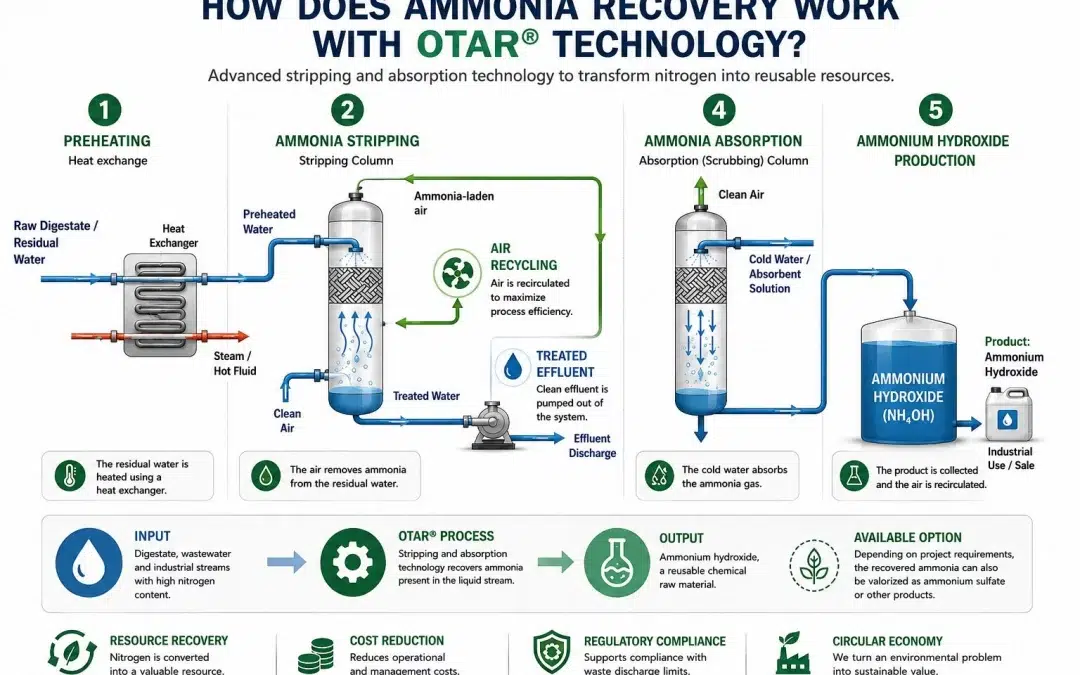
Where ammonia recovery is impractical, OTAR® uses waste heat to strip ammonia from the liquid phase. The ammonia gas is thermally oxidized into nitrogen gas and water vapor. No product recovery is required.

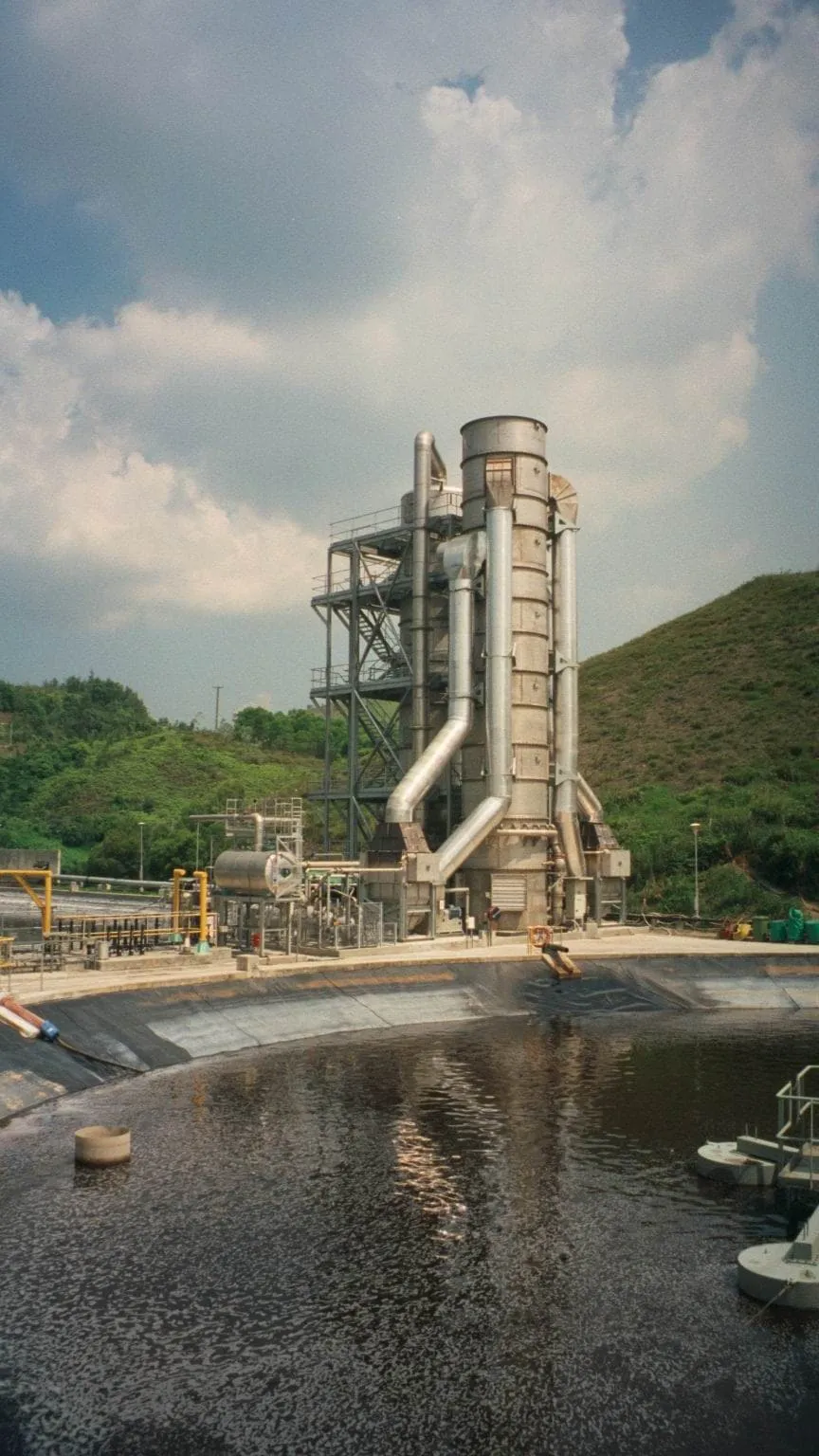
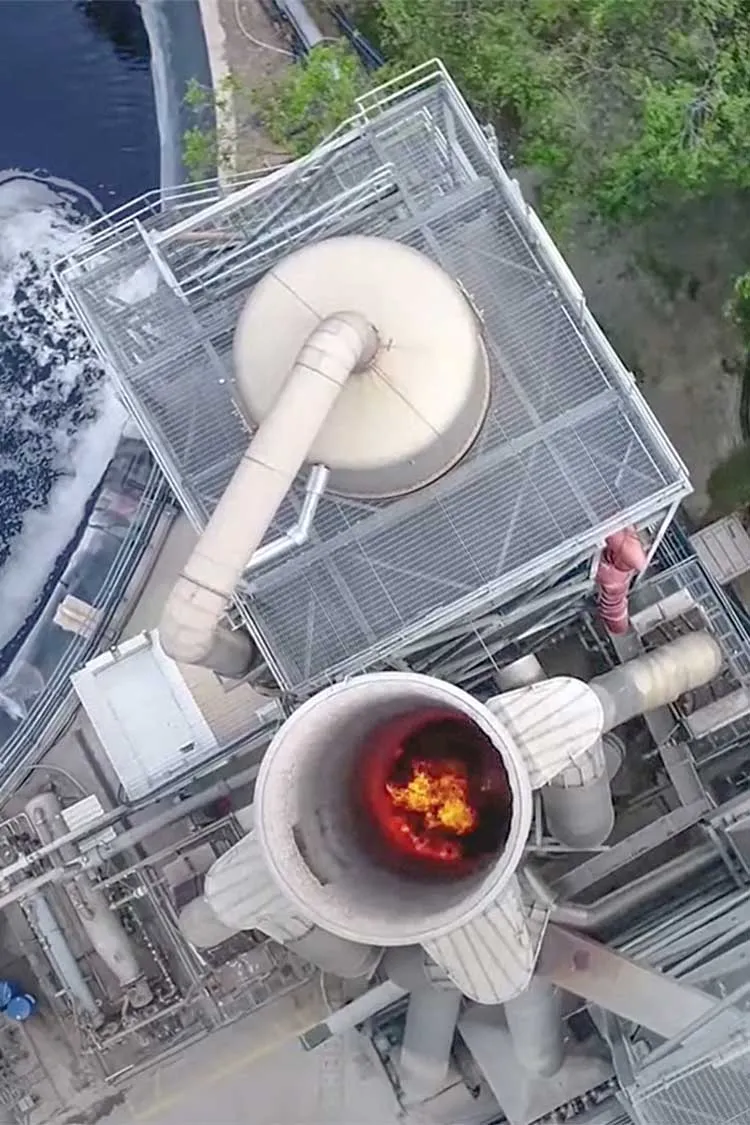
This is a proven compliance solution used at multiple Hong Kong leachate treatment facilities. Waste heat from biogas engines and landfill gas powers ammonia stripping. The system meets strict nitrogen discharge limits without downstream chemical handling. As a result, it’s a natural fit for U.S. landfill operators and municipal WWTPs that need reliable TAN removal from leachate or centrate without adding a product line. The trade-off is clear: compliance is achieved, but no product revenue is generated.

SC Flarestack3

Variant 2

Waste Heat to Recover Ammonium Hydroxide

OTAR var2 process

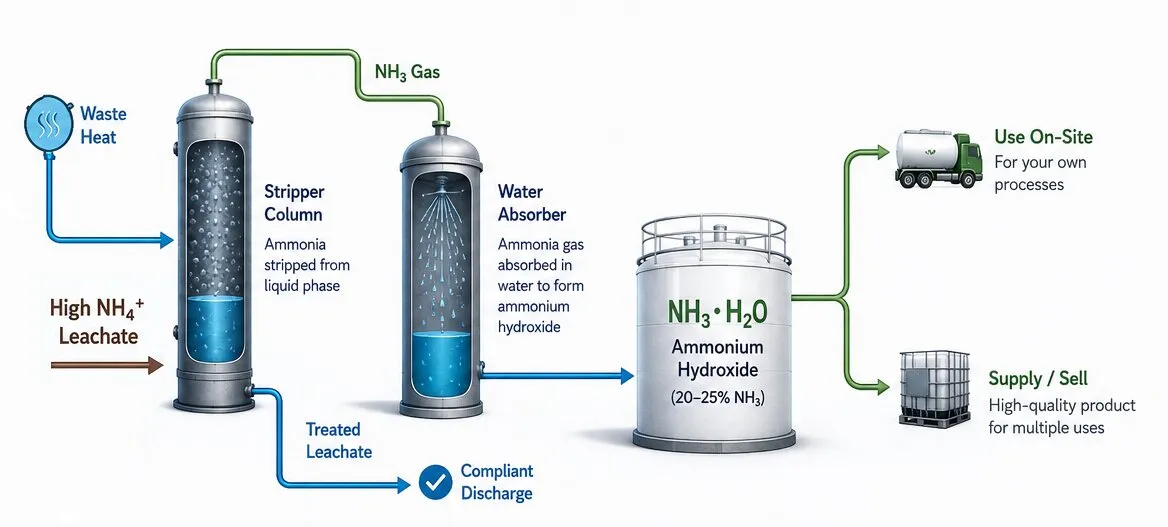
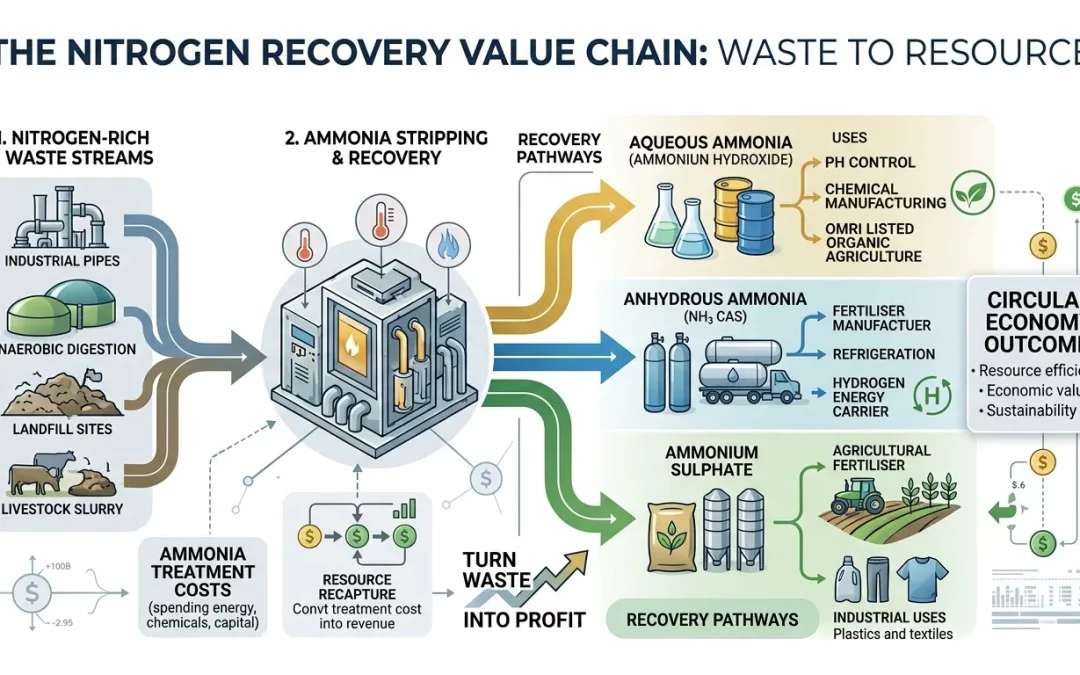
OTAR® Variant 2 prioritizes ammonia recovery using available waste heat. Recovered ammonia gas is absorbed into water to produce ammonium hydroxide. The product typically contains 20–25% NH₃.

The process uses no acid and generates no salt waste. Consequently, this makes the product eligible for OMRI Listing. Conventional acid-absorption systems cannot achieve this certification. It is a key advantage for AD and biogas developers serving organic fertilizer markets. A chemical manufacturing plant integrated this OTAR® variant into its process. It produced ammonium hydroxide for onsite use.

The plant reduced external ammonium hydroxide purchases by nearly one-third. With further concentration, the same system can produce anhydrous ammonia for fertilizer, refrigeration, or hydrogen-carrier applications.

Variant 3

Waste Heat to Recover Ammonium Sulphate

OTAR var3 process

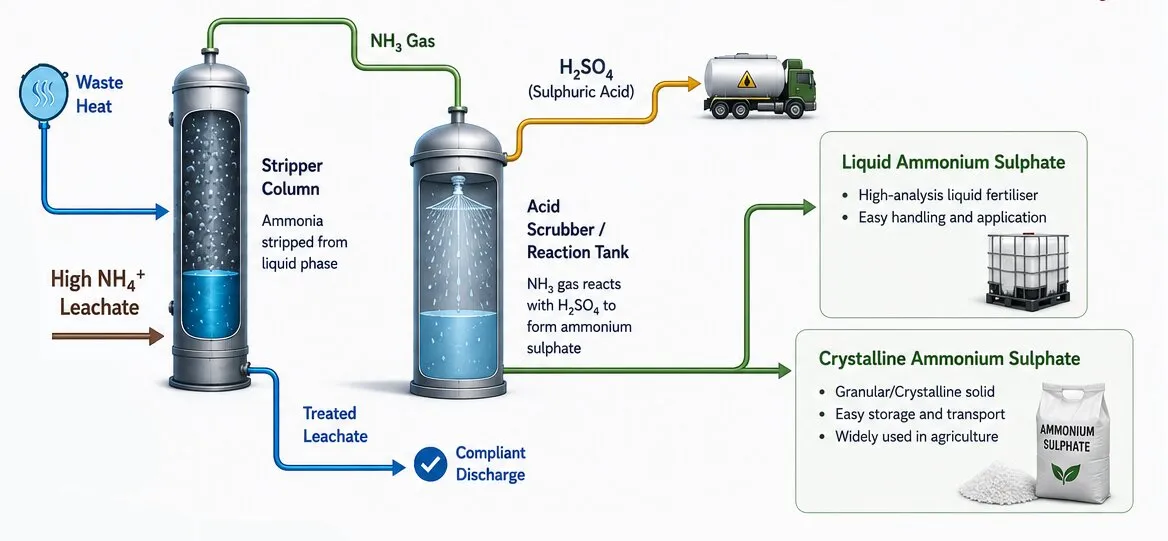
OTAR® Variant 3 suits agricultural regions with strong demand for sulfate fertilizer. It reacts stripped ammonia with sulfuric acid to produce ammonium sulfate. The product is available as liquid fertilizer or crystalline solid. This pathway is especially attractive for large-scale dairy and swine CAFOs and high-protein food processors that can move product directly through farming cooperatives, where sulfuric acid is readily available at competitive cost.

The advantage is a stable, widely recognized product with established markets. However, the trade-offs are the need for a reliable acid supply chain and meeting agricultural quality standards; this variant does not produce OMRI-eligible product.

Variant 4

Heat Recycling

OTAR var4 process

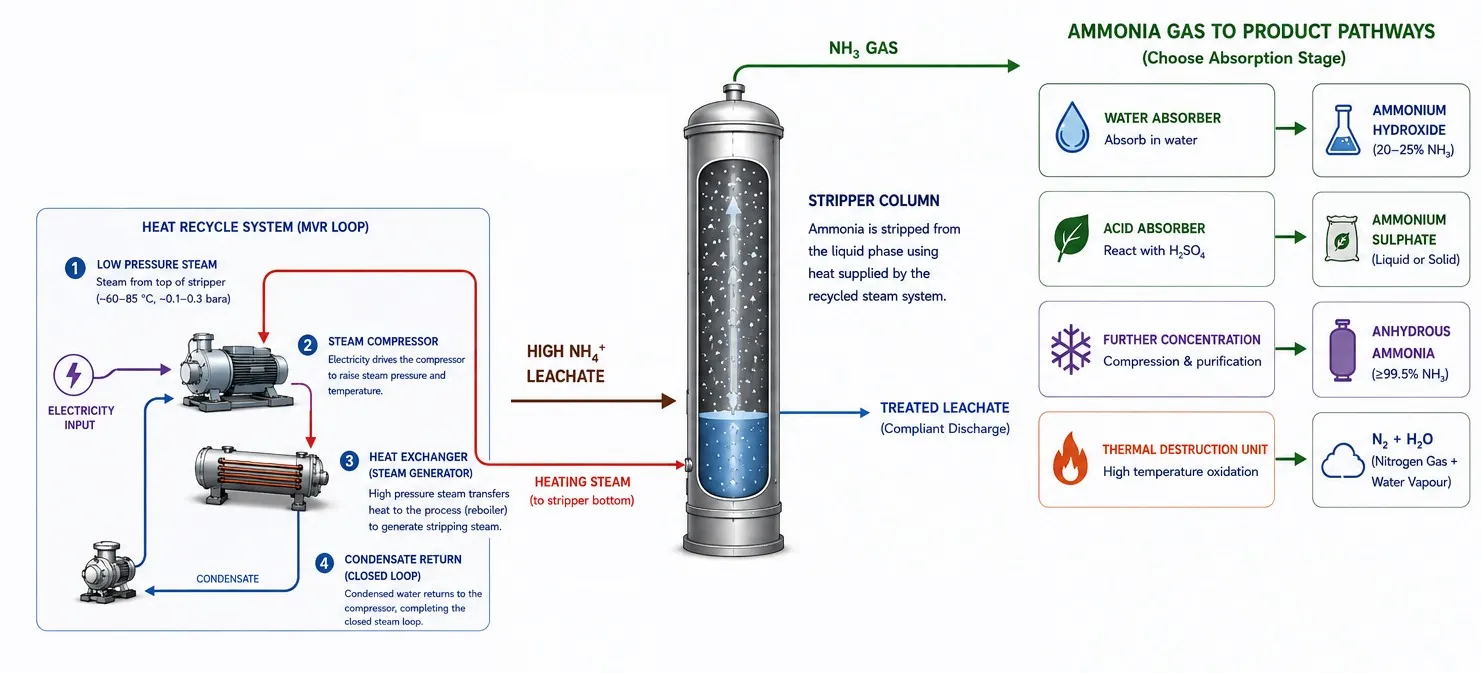
For sites without reliable waste heat, Variant 4 uses electricity to drive a heat recycling system that compresses and recycles steam to generate the thermal energy needed for stripping. The coefficient of performance exceeds 15 meaning 15 or more units of stripping heat are delivered per unit of electrical energy consumed.

Variant 4 is compatible with every product pathway above: thermal destruction, ammonium hydroxide, anhydrous ammonia, or ammonium sulfate, depending on the absorption stage selected. It is particularly well suited to remote CAFOs, standalone digesters, and seasonal food and beverage processors with fluctuating waste heat availability.

Variant 5

pH-Driven Conversion

OTAR var5 process

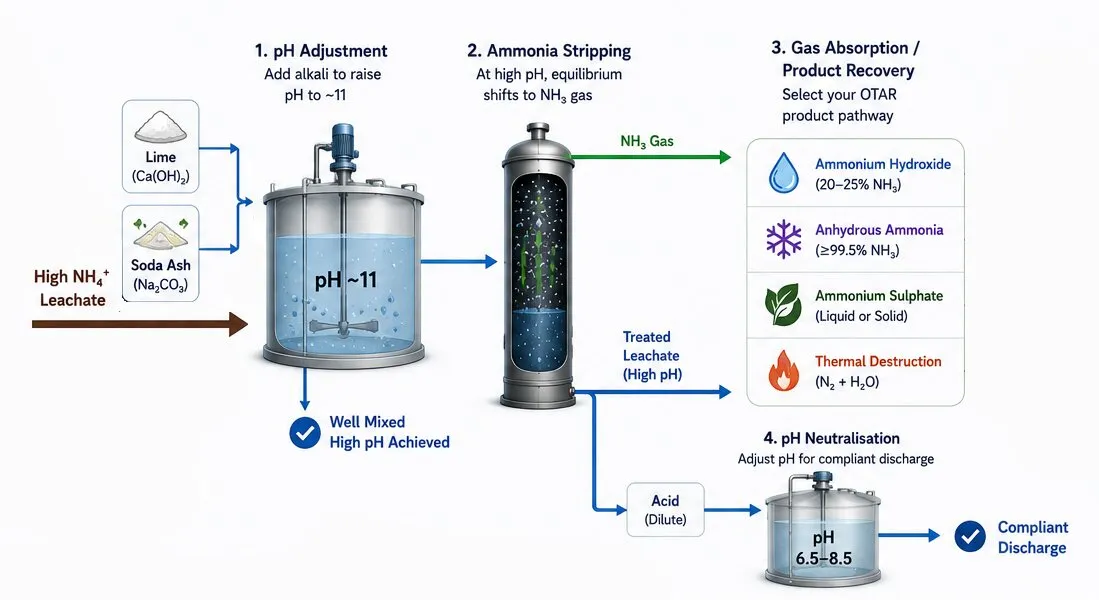
Where waste heat is in short supply, ammonia stripping can be driven instead by raising wastewater pH to around pH 11 using an alkali base such as lime or sodium hydroxide (soda ash). At elevated pH, the equilibrium shifts toward free ammonia gas without requiring high temperatures, enabling stripping at ambient or moderately elevated conditions; where some heat is available alongside pH adjustment, the chemical requirement can be reduced proportionally.

Additionally, this variant is fully compatible with all OTAR® product recovery routes and suits landfill operators and municipal WWTPs where bulk chemical supply is straightforward and low-maintenance operation matters most. The trade-offs are ongoing alkali cost and the need to adjust pH back down after stripping for discharge compliance.

Frequently Asked Questions

How do I stop ammonia inhibition in an anaerobic digester?

Remove TAN from digestate or centrate before it accumulates to inhibitory levels — OTAR®’s waste-heat and heat-recycling variants (1, 2, and 4) are designed for exactly this, protecting biogas yield while recovering a marketable ammonium product.

How can a dairy or swine CAFO turn manure into a fertilizer revenue stream?

OTAR® Variant 3 converts stripped ammonia into ammonium sulfate, a stable, widely recognized fertilizer that can move directly through agricultural cooperatives — turning a nutrient management liability into a locally marketable product.

How do municipal WWTPs reduce ammonia treatment costs from centrate?

Treating dewatering centrate or other high-strength sidestreams at the source with OTAR® removes TAN before it returns to the head of the works, reducing the energy, chemical, and aeration load on secondary biological treatment.

How can food and beverage processors cut high-strength nitrogen surcharges?

On-site OTAR® ammonia stripping treats high-strength nitrogen effluent before discharge, reducing exposure to municipal surcharges and, in configurations with a recovery stage, generating a saleable ammonium byproduct.

What technology removes ammonia (TAN) from landfill leachate?

OTAR® Variant 1 (thermal destruction) and Variant 5 (pH-driven conversion) are both proven, low-maintenance pathways for treating the heavy, persistent TAN loads typical of landfill leachate over the long operating life of a site.

Assess Your Wastewater Treatment & Recovery Potential with Organics!

Fill out a short questionnaire and let our team review your specifications, calculate estimated chemical and thermal requirements, and schedule a direct consultation with an Organics specialist.


How Much Is the Ammonia in Your US Waste Stream Worth?

How Much Is the Ammonia in Your US Waste Stream Worth?

Most industrial, municipal, and agricultural facility managers in the United States know exactly what it costs to treat ammonia to meet strict environmental standards. However, very few have calculated the sheer dollar value that leaves their facility every single day. By looking at a real-world commercial case study, we can look directly at the math showing how treating high-strength streams as an asset changes the financial game.

Where Does Ammonia Come From in US Waste Streams?

Ammoniacal nitrogen is a persistent, regulated byproduct across America’s most critical industrial, municipal, and agricultural sectors. In US, the commercial development and technical biogas potential vary significantly by sector:

pile of food waste

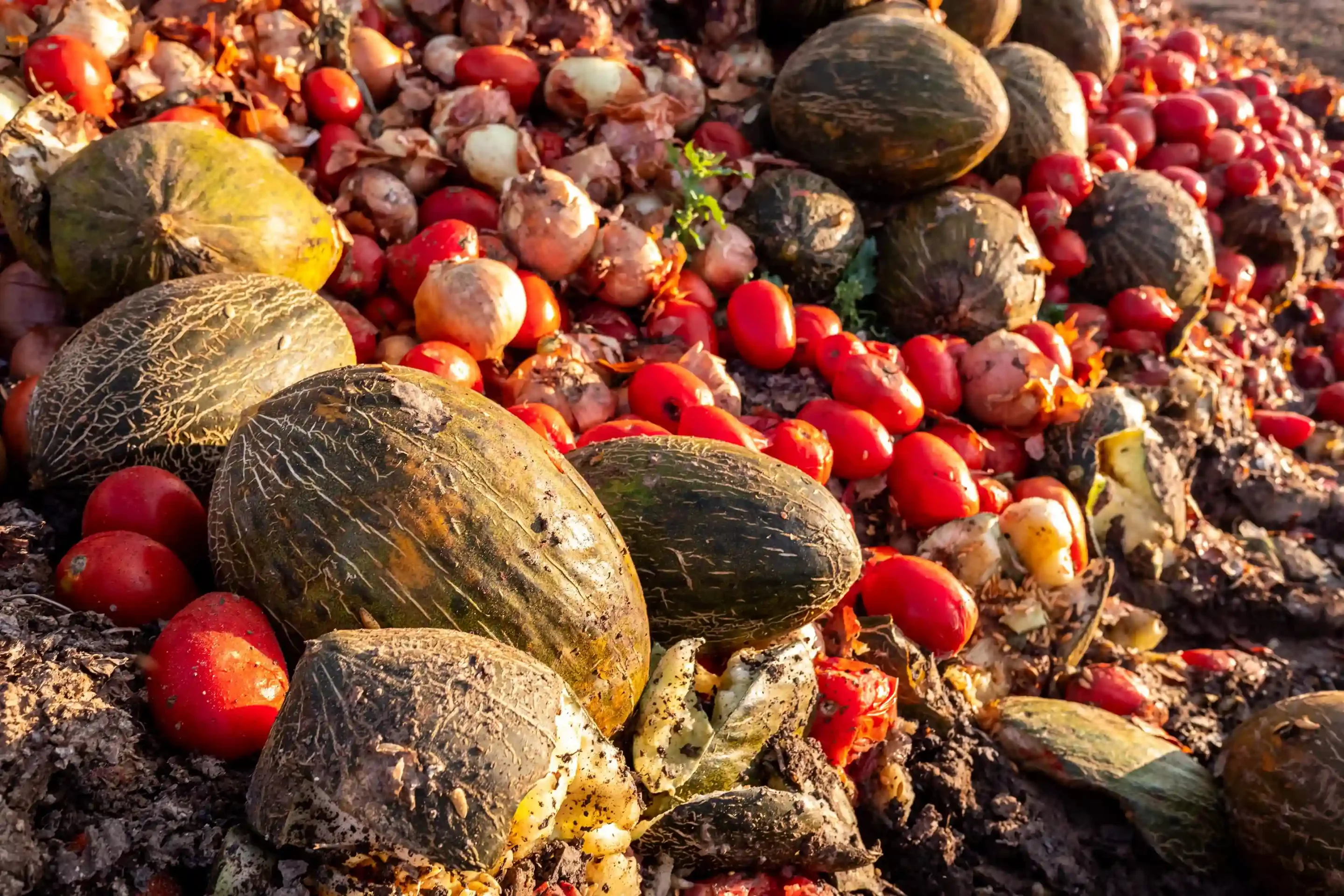
Food Waste & Organic MSW

Holding a “Very High” technical biogas potential, this sector represents a high and growing segment of commercial development in the US. High-protein food processing effluents carry immense treatment and recovery potential.

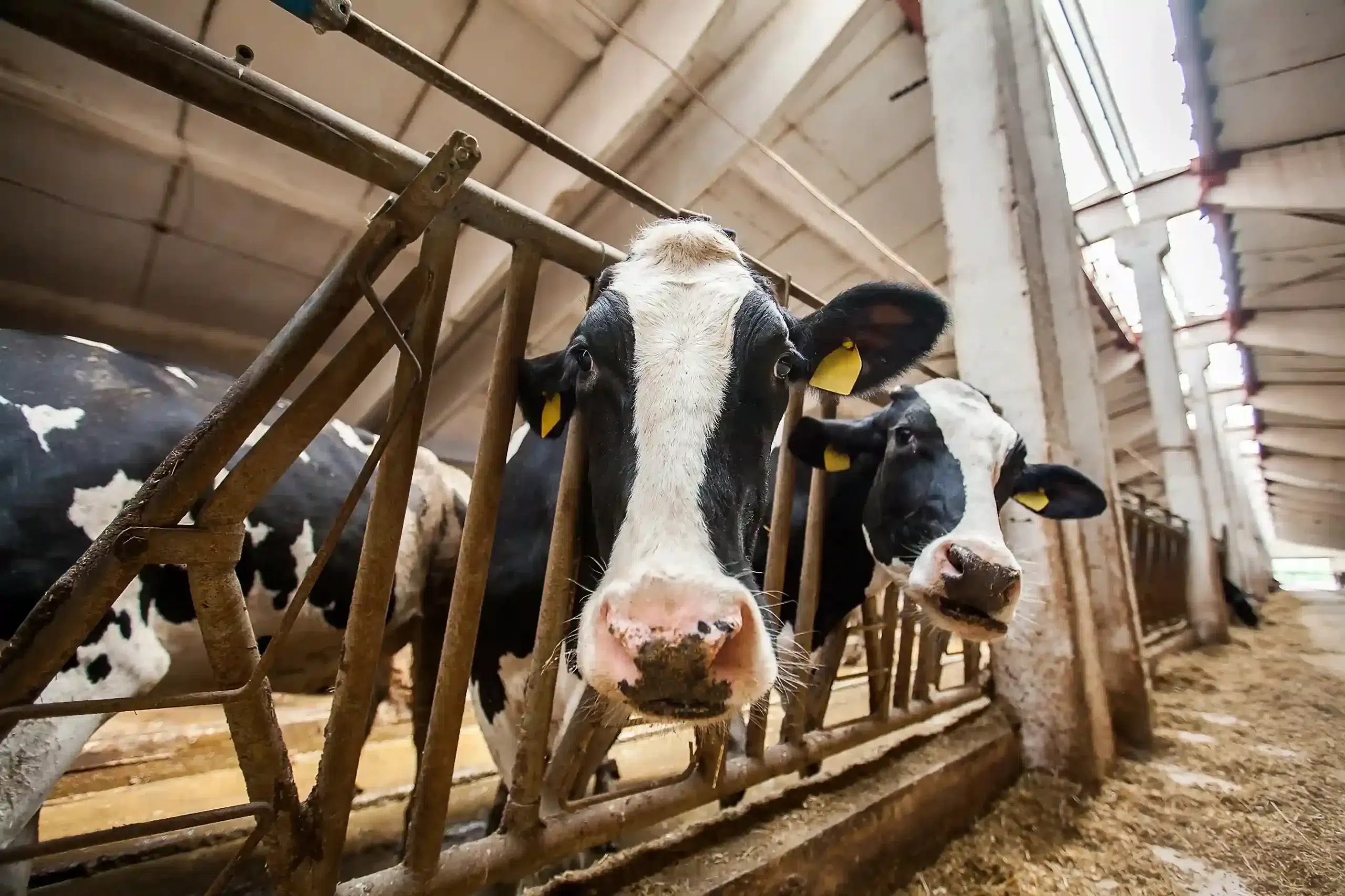
Dairy & Swine Manure

Dairy manure represents the single highest commercial development sector within US agriculture. These large-scale operations produce substantial volumes of liquid manure and digestate with direct fertilizer value.

modern poultry farm

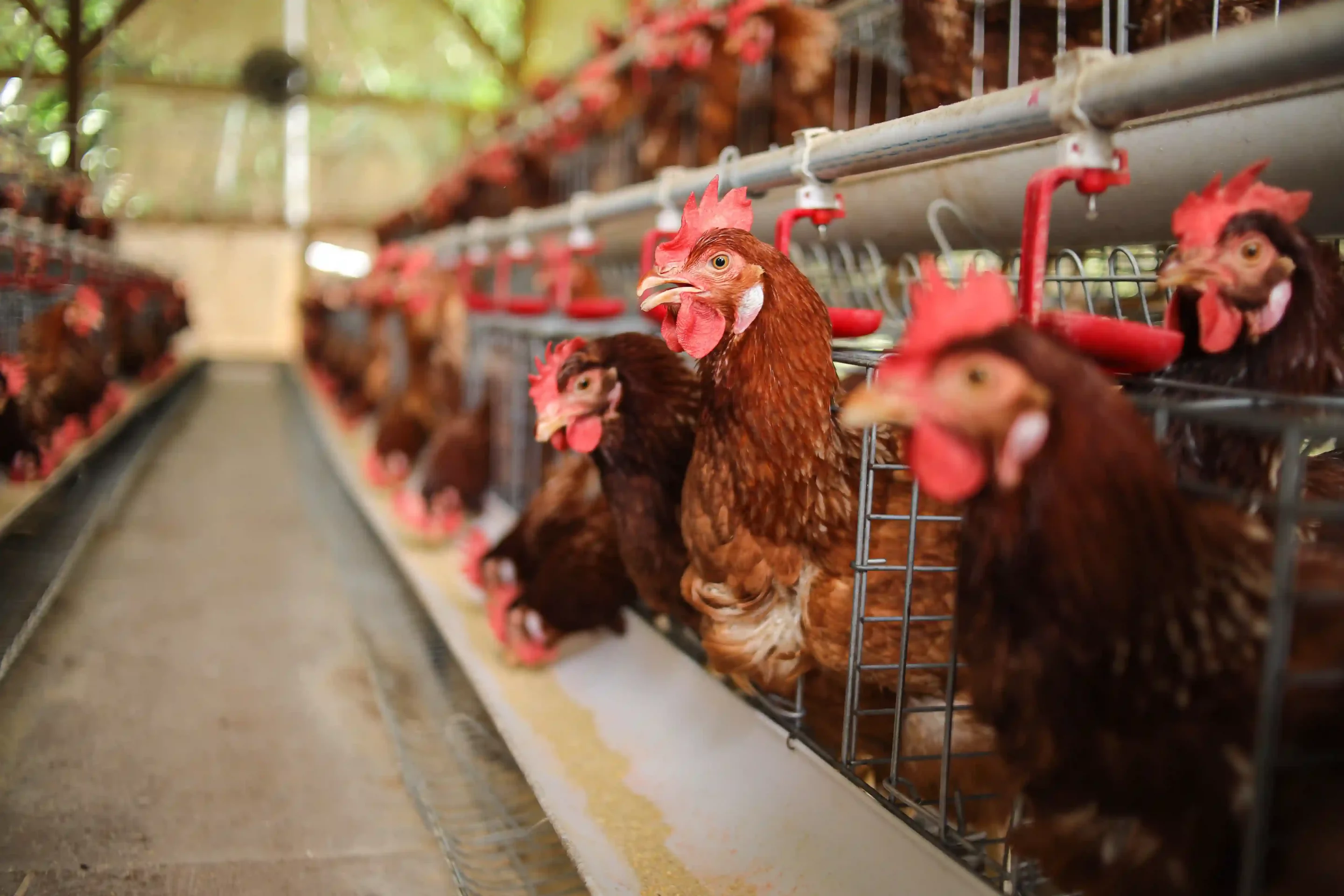
Poultry Manure

Despite a more limited commercial biogas footprint in the US, poultry manure creates a massive high-strength chemical challenge. The liquid fraction after dewatering regularly carries punishing Total Ammoniacal Nitrogen (TAN) concentrations between 1,500 and 5,000 mg/L.

bulldozer working on massive landfill

Landfill Gas (LFG) & Wastewater Sludge

As a high-methane resource, LFG is America’s most mature RNG sector. However, the accompanying long-term landfill leachate creates persistent, challenging TAN loads that must be actively managed for decades.

Wastewater Sludge & Industrial Effluents

A highly mature municipal sector. Standard sludge dewatering at treatment plants returns a high-strength ammonia centrate straight back to the headworks, severely overloading secondary biological systems.

The “Double Payment” Tax on US Facility Budgets

Facilities that treat ammonia through biological nitrogen removal effectively pay twice for the same nutrient.

First, operators spend immense capital to destroy the nitrogen—paying for continuous grid power to run aeration blowers, adding external carbon sources (like methanol), purchasing alkalinity supplements, and paying tipping fees to haul away the resulting biological sludge.

Then, those same operations turn around and buy virgin ammonium hydroxide, commercial synthetic fertilizers, or industrial ammonia from third-party chemical distributors at full market price.

This represents a major circular economy failure in conventional waste management: paying premium rates to incinerate an asset biologically, only to buy it right back

The OTAR Approach

OTAR (Organics Thermal Ammonia Recovery)

OTAR is a modular platform with over 20 years of operational experience and proven installations in Asia. For operators currently spending on biological nitrogen removal, the most commercially attractive configuration — Variant 2, water absorption — converts a treatment cost into ammonium hydroxide revenue with no acid supply chain, no salt production, and no hazardous chemical handling.

Where waste heat is unavailable, Variant 4’s heat recycling system achieves a coefficient of performance exceeding 15, making thermal stripping viable even from cold electricity.
Calculating the Value: A Worked Example

To see the financial reality, let’s look at the calculations for a typical US anaerobic digestion facility processing 55,000 tons (approx. 50,000 metric tonnes) of regional food waste or high-nitrogen agricultural feedstocks per year.

Food waste holds some of the highest technical biogas potential available. A standard digestion layout of this scale yields a liquid digestate fraction of roughly 8 million gallons (approx. 30,000 m³) annually, maintaining a conservative TAN concentration of around 3,000 mg/L

Total recoverable nitrogen: 3,000 mg/L × 30,000,000 liters = 90,000 kg TAN per year (~99 US Tons of pure Nitrogen)

Converted to ammonium hydroxide solution (20–25% NH₃): Approximately 400 to 500 US tons (360–450 metric tonnes) of premium liquid product annually

At standard wholesale chemical rates, this stream represents an estimated $85,000 to $115,000 per year in pure, recoverable product value—from a liquid line currently viewed as an expensive compliance liability

High-Value Byproduct Qualification (OMRI)

liquid fertilizer2 scaled

Where things get highly lucrative for US plant operators is the regulatory classification of the output. Because OTAR® Variant 2 captures ammonia gas using a pure thermal water-matrix pathway with zero synthetic acid additives, the resulting liquid qualifies for an OMRI (Organic Materials Review Institute) listing.

Since demand for input-compliant organic fertilizers is exceptionally high among US commercial growers, operators can sell this clean byproduct at a premium over conventional synthetic alternatives, drastically shortening the equipment’s ROI timeline.

What Can Your Recovered Nitrogen Become?

The modular architecture of the OTAR® (Organics Thermal Ammonia Recovery) system allows US operators to adapt their output to match local commodity markets:

Ammonium hydroxide (aqueous ammonia, 20–25% NH₃)

Absorbed directly into a clean water matrix without external acids, making it eligible for OMRI listing for organic farming. This solution is also highly sought after by industrial facilities for pH adjustment, municipal emissions control (NOx reduction), and chemical manufacturing. This is our core Variant 2 setup and the highest-margin path for facilities near agricultural hubs.

Anhydrous ammonia

Produced by integrating a secondary concentration step onto the OTAR® system. This yield produces a highly concentrated, versatile compound used for mass fertilizer production, commercial refrigeration, and the emerging zero-carbon hydrogen energy economy.

Ammonium sulphate

Formed by reacting the recovered ammonia gas directly with standard sulfuric acid (OTAR® Variant 3). This delivers an established fertilizer with strong agricultural market demand, especially in geographic regions requiring sulfur-deficient soil remediation.

Thermal destruction

For isolated industrial installations where no viable local off-take market or agricultural buyer exists, the stripped ammonia gas can be routed to a high-temperature thermal oxidation unit (OTAR Variant 1). This destroys the compound safely into clean nitrogen gas and water vapor, achieving regulatory compliance and satisfying strict EPA Clean Air Act rules using the facility’s otherwise wasted heat

The Turnkey OTAR® Advantage

Bypassing biological destruction does not mean stepping into unproven territory. Backed by over two decades of verified operational runtime, OTAR® Variant 2 converts a painful compliance cost into an automated revenue generator—all with no acid supply lines, no byproduct salt handling, and no hazardous chemical storage.

Even if your facility lacks abundant waste heat, our specialized heat-recycling configuration (Variant 4) achieves a commercial coefficient of performance (COP) exceeding 15, making high-efficiency thermal stripping highly profitable even on standard electricity inputs.

The nitrogen molecules already exist in your stream. The commercial demand in the US market is already there. The choice is simple: continue paying to destroy it, or start capturing its value.

Assess Your Wastewater Treatment & Recovery Potential with Organics!

Fill out a short questionnaire and let our team review your specifications, calculate estimated chemical and thermal requirements, and schedule a direct consultation with an Organics specialist.

The Hidden Cost of Biological Nitrogen Removal in US Wastewater Treatment

The Hidden Cost of Biological Nitrogen Removal in US Wastewater Treatment

For every ton of ammonia destroyed by traditional Biological Nitrogen Removal (BNR), facility operators sacrifice immense amounts of energy, expensive chemicals, and capital. At the same time, they throw away a vital nutrient that the agricultural and commercial fertilizer industries value at hundreds of dollars per ton.

In the United States, as the Environmental Protection Agency (EPA) tightens nutrient discharge limits for municipal and industrial facilities, continuing with business-as-usual nitrogen destruction is becoming a major financial liability.

What Is Biological Nitrogen Removal?

Biological nitrogen removal (BNR) is the multi-stage process where ammonia in wastewater, industrial streams, or anaerobic digestate is converted first to nitrate (nitrification) and then to nitrogen gas (denitrification) via specialized microbial activity.

Through this process, the nitrogen simply vents into the atmosphere. While regulatory compliance under the National Pollutant Discharge Elimination System (NPDES) is technically achieved, the underlying operational costs keep climbing.

For decades, BNR has served as the default engineering solution for ammonia treatment.

 The biological process is well understood, state regulatory approvals are standard, and the infrastructure is proven. However, as US energy grids face rising volatility and facilities navigate stricter decarbonization mandates, environmental engineers are asking a fundamental question:

 Is destroying nitrogen really the best use of resources?

The Energy Burden on US Infrastructure

Nitrogen destruction is inherently energy-intensive. BNR requires massive, continuous aeration to keep nitrifying bacteria alive. In typical domestic and industrial wastewater treatment plants (WWTPs), aeration already represents the single largest consumer of electricity on-site, frequently accounting for 40% to 60% of a facility’s total energy footprint.

This issue multiplies when dealing with high-strength ammonia streams, such as reject water from anaerobic digestion. This is a critical pain point in the United States, where the rapid expansion of agricultural waste-to-energy projects—particularly those handling poultry waste and chicken manure—generates digestate with exceptionally high ammonia concentrations.

Treating poultry-heavy digestate via BNR demands massive oxygen transfer rates, oversized blower systems, and a staggering amount of grid power.

The Hidden Operational Costs Beyond Electricity

The true cost of operating a traditional BNR system extends far beyond the utility bill:

Supplemental Carbon Sourcing

Denitrification requires a volatile organic carbon source (typically methanol or acetic acid) when the incoming Biochemical Oxygen Demand (BOD) is too low. This adds thousands of dollars in recurring chemical expenditures.

Alkalinity supplementation

Nitrification naturally destroys alkalinity. To prevent process failure and maintain pH stability, operators must continuously dose expensive additives like lime, caustic soda, or sodium bicarbonate.

Sludge Handling and Disposal Costs

BNR generates a massive biological floc. This secondary sludge must be thickened, chemically dewatered, hauled, and landfilled—directly increasing tipping fees and the facility’s Scope 1 and Scope 3 carbon footprint.

Massive Infrastructure Footprint

Traditional BNR requires extensive real estate for large aeration basins, anoxic tanks, and secondary clarifiers. For existing US plants facing space constraints, physical expansion is often cost-prohibitive.

Extreme Operational Complexity

Keeping nitrifiers and denitrifiers balanced requires highly skilled operators, continuous analytical monitoring, and constant adjustments to counter toxicity or temperature drops.

The Ultimate Waste: Destroying Commercial Value

Perhaps the most overlooked drawback of BNR is that it destroys a high-value commodity. The global fertilizer market relies heavily on nitrogen, while the emerging clean energy sector increasingly views ammonia as an essential hydrogen carrier. Facilities executing BNR are, in effect, paying to destroy a resource with severe market demand.

High-Ammonia Waste Streams
Traditional BNR
Atmospheric Loss $0 Value / High Energy Cost
High-Ammonia Waste Streams
OTAR® System
Recovered Ammonium Hydroxide High-Value Asset

Through advanced recovery, high-strength streams like poultry digestate can be transformed into recovered ammonium hydroxide. When processed correctly, these recovered nutrients can fulfill criteria for circular economy initiatives, providing local agricultural regions with a sustainable source of liquid nitrogen fertilizer.

For commercial farms looking to satisfy strict environmental supply chain requirements or produce high-value crops, recovering these nutrients aligns perfectly with modern sustainable agriculture practices.

A Direct Solution: Organics Thermal Ammonia Recovery (OTAR®)

OTAR® (Organics Thermal Ammonia Recovery), developed by the Organics Group, offers a closed-loop alternative to traditional biological destruction. Instead of relying on sensitive microbial populations and costly aeration, the OTAR® platform utilizes thermal energy—often tapping directly into low-cost waste heat from on-site biogas combined heat and power (CHP) engines—to strip ammonia out of the liquid phase and capture it.

Why US Facility Managers are Turning to OTAR®:

  • Modular & Scalable: The system is built on a compact, skidded footprint that integrates seamlessly into existing industrial infrastructure or agricultural biogas plants without expanding real estate.
  • Adaptable Outflows: Where local agricultural off-take markets exist, OTAR® captures the nitrogen as commercial-grade ammonium hydroxide. In regions without an immediate fertilizer buyer, the system can efficiently destroy the ammonia thermally using the same on-site waste heat—eliminating the need for aeration entirely.
  • Proven Reliability: Moving away from BNR does not mean adopting an unproven risk. The OTAR® technology brings over two decades of successful, large-scale international operational history to the US market.

Nitrogen is a valuable resource, and treating it as a waste product is no longer economically viable.

Up Next in This Series: We will break down the exact financial metrics, quantifying the dollar value of the ammonia leaving your facility every day—and calculate the precise ROI of capturing it on-site.

Assess Your Wastewater Treatment & Recovery Potential with Organics!

Fill out a short questionnaire and let our team review your specifications, calculate estimated chemical and thermal requirements, and schedule a direct consultation with an Organics specialist.

Anaerobic Digestion Wastewater Treatment: Understanding the Process and Its Challenges

Anaerobic Digestion Wastewater Treatment: Understanding the Process and Its Challenges

Anaerobic digestion wastewater treatment is an essential component of current waste management methods. It provides a sustainable solution to treat and lessen sewage sludge. This blog will discuss anaerobic digestion, how it works, and its possible drawbacks.

What is Meant by Anaerobic Digestion?

Digestion without air, called anaerobic digestion, is a natural process in which small living things, or micro-organisms, break down organic matter like sewage sludge, animal waste, and leftover food. This breakdown results in two main products: biogas, which consists mainly of methane and carbon dioxide, and digestate, a nutrient-rich substance.

Anaerobic digestion has wide applications in different sectors, such as agriculture, food processing, and wastewater treatment. Its benefits include managing waste, lessening greenhouse gas emissions, and creating renewable energy. In wastewater treatment plants, the process stabilizes sewage sludge, reduces the organics loading and generates biogas that can be utilized for energy production.

How Does Anaerobic Digestion Work?

Anaerobic digestion works in four distinct phases: hydrolysis, acidogenesis, acetogenesis, and methanogenesis.

  • Hydrolysis: This is the first stage, where enzymes break down complex organic materials such as carbohydrates, fats, and proteins into simpler molecules. This phase is usually seen as the step that limits the rate of anaerobic digestion because it decides how fast the whole process happens.
  • Acidogenesis: The simpler molecules made in hydrolysis are transformed into volatile fatty acids, alcohols, carbon dioxide, hydrogen, and ammonia by acidogenic bacteria. This part is essential for forming the needed middle products in biogas production, although it is important to monitor this process carefully as too much of these elements can result in the inhibition of the process.
  • Acetogenesis: The volatile fatty acids and alcohols produced in the acidogenesis step are further broken down by acetogenic bacteria into acetic acid, carbon dioxide, and hydrogen.
  • Methanogenesis: Then, bacteria that produce methane convert acetic acid and hydrogen into methane and carbon dioxide. This makes biogas the main ingredient among these elements. Biogas can be captured and employed as a renewable energy supply.

The complete anaerobic digestion process happens inside a particular system called an anaerobic digester. These digesters can have different designs and levels of complexity based on the kind of waste being treated and what we aim to produce in the end. For example, cylindrical digesters are commonly used in wastewater treatment plants, while egg-shaped ones are also gaining recognition for their effectiveness.

Anaerobic Digestion Disadvantages

Despite having many advantages, anaerobic digestion also has some disadvantages, including the following:

  • Reduction of Pathogens: Sludge that goes through anaerobic digestion usually has fewer pathogens, but it might not completely remove them all. Sometimes, more treatment is needed to meet regulations for the last product of biosolids.
  • Biogas Inefficiency: Extracting biogas when there is no oxygen for digestion may only be efficient sometimes. If not handled correctly, a lot of energy, which could be methane and carbon dioxide, could still be stuck in the biosolids.
  • Limitations in Reducing Volume: Anaerobic digestion can decrease biosolids’ volume, but it might not be the most efficient way. The end product frequently holds considerable water, making its handling and movement difficult.
  • Odor and Handling Problems: Despite the benefits, biosolids created from anaerobic digestion may still have a strong smell that makes them unpleasant to touch. If the extraction of biogas is not perfect, leftover biosolids can release more methane and carbon dioxide as they degrade further, adding to environmental worries.

Despite these obstacles, however, anaerobic digestion is essential for wastewater treatment. It can help decrease waste volume, stabilize sludge, and create renewable energy, all crucial aspects of present waste handling methods.

Contact Us for More Information

Anaerobic digestion wastewater treatment is an effective method for managing waste and creating renewable energy, but it’s crucial to understand its benefits and drawbacks to make knowledgeable choices. To learn more about anaerobic digestion wastewater treatment, ammonia removal, or how this method can help your facility, contact Organics USA Inc. Our specialists are ready to provide the details and assistance you need to implement eco-friendly waste management solutions.

What is Refuse Derived Fuel and What Are the Benefits?

What is Refuse Derived Fuel and What Are the Benefits?

The question “What is refuse-derived fuel?” has become essential, with businesses and governments looking for ways to generate renewable energy. Refuse Derived Fuel (RDF) is generated from commercial and waste, providing another option to traditional fossil fuels. This blog explores what RDF is used for, how it gets made, and the many benefits it has for businesses and our ecosystems.

What is Refuse Derived Fuel Used For?

RDF is primarily used as an alternate fuel in power plants. But what is RDF used for? RDF, which comes from a mixture of waste like plastics, paper, and small amounts of organic material, is made to generate electricity, heat, and other types of energy. It is used as a fuel used in Waste-to-Energy (WtE) plants. In this way, waste is used to reclaim energy and is not sent to landfill.

In Europe, RDF is used largely for heating systems in certain districts to provide hot water and warmth to entire communities. It’s also used in cement kilns as a replacement for fossil fuels, which helps lessen the environmental impact of making cement. The flexibility of RDF makes it an important resource for many industrial uses, especially in areas with low landfill capacity and high energy needs.

Production of Refuse Derived Fuel

The process of making RDF includes many steps, all aimed at getting the most energy out of waste materials. RDF production starts with gathering and organizing waste and separating recyclable materials such as metals and glass and organic material. This is done using a series of rotating drums, or trommels, with holes of varying size that can remove much of the organic material from the waste stream.

The organic material can be turned into compost and the left-over material, which normally includes the plastics, paper and cardboard is chopped into smaller sizes to make it easier to handle.

Following the shredding process, the waste is treated again. This may involve drying, screening, and magnetic separation to eliminate any remaining non-combustibles. The result is a uniform fuel that can be transported and used as a fuel.

RDF is made using various technologies. These include mechanical-biological treatment (MBT) and advanced thermal treatment (ATT). MBT is a method where waste sorting with machines and biological processes converts the waste into stable fuel with a high calorie value. In ATT, methods like gasification and pyrolysis break down waste at high temperatures. This latter process results in two principal products. The first is syngas, which can be used as a heat source or for making electricity, while the second is a char, or biochar that, if generated from organic material such as waste wood, can be used as a soil conditioner and fertilizer.

Refuse Derived Fuel Advantages

One of the main advantages of RDF is its effect on the environment, particularly in reducing waste’s impact. By transforming waste into energy, RDF helps lessen the amount of waste that goes to landfills. This, in turn, reduces the amount of methane gas, a potent greenhouse gas, that is generated by rotting organic matter within landfill sites.

Another significant benefit of RDF is its role in decreasing dependence on non-renewable energy sources. When coal and oil is replaced by using RDF, industries reduce their carbon footprint, which contributes to fighting global warming or climate change. Moreover, using RDF in cement kilns and other industrial methods aids in conserving natural resources by reducing the requirement for raw materials.

When it comes to businesses, the financial advantages of RDF are significant. The constant increase in expenses for landfill disposal and growing emphasis on corporate sustainability make RDF a good choice for companies aiming to decrease waste management costs and enhance their environmental profile. Incorporating RDF into their waste management plans can help businesses cut down on disposal expenses and possibly create income by selling RDF to energy generators.

In addition, RDF production aids the circular economy by converting waste into a valuable substance, an essential feature of what has become known as the circular economy.

A Sustainable Future with Refuse Derived Fuel

In a changing world where sustainability in energy is growing, the question of “what is refuse-derived fuel?” becomes increasingly important. RDF is a central component of the circular economy, converts waste into valuable resources and provides a sustainable alternative to fossil fuels.

Knowing what refuse-derived fuel is and how it is contributes to cutting down on the cost of waste management, is critical in our efforts to move towards a fully circular economy.

For more information about RDF and its advantages for your business or how refuse-derived fuel can be used in your industry, please contact Organics USA Inc. Our professionals are ready to assist you in understanding and implementing RDF within your waste management plans.

We should perhaps be careful not to treat potential clients as if they know nothing about their own business.


Landfill Leachate Wastewater Treatment

Landfill Leachate Wastewater Treatment

Leachate, which is formed when water percolates through landfilled waste, can be a serious environmental concern if not properly treated. As water passes through the waste mass, it comes into contact with various materials, resulting in the transfer of contaminants into the leachate. These contaminants can include heavy metals, organic compounds, and ammonia. The composition of leachate is extremely complex and can vary over time due to several factors, such as the type of waste, age of the landfill, and climatic conditions. This variability makes the treatment of leachate a challenging task.

What is Leachate and Why is It Bad?

Leachate refers to the liquid that has passed through solid waste material. Essentially, leachate is formed when rainfall or other liquids infiltrate a landfill and mix with decomposing organic substances. The result of this mixture is a liquid called leachate. The formation of leachate can occur in any location where waste disposal takes place alongside water infiltration into those areas. This means it can occur in landfills, open dump sites, or any storage site for discarded materials, such as scrap yards or mining sites.

According to the World Bank, the current global solid waste generation stands at approximately 2 billion metric tonnes per year. It is estimated that this figure will increase by roughly 70% by 2050, reaching more than 3.5 billion tonnes annually. Therefore, it is essential to identify and implement effective management strategies to handle this growing volume of solid waste.

Much of this solid waste is buried underground through the process of landfilling. When we consider the daily habits of individuals worldwide, it is estimated that each person generates an average of 0.74 kilograms or 1.64 pounds of solid waste per day. Historically, landfilling has been a crucial method for managing solid waste due to its cost-effectiveness and space efficiency. Although alternative waste treatment methods, such as recycling and composting, are now strongly advocated, they cannot fully address the current volume of waste generated or handle items that cannot be reused or decomposed. As a result, these remaining items still require proper disposal techniques.

Given the substantial amount of solid waste generated globally and the prevalent use of landfilling as a disposal method, it’s clear that managing leachate produced from landfills is a critical issue that demands immediate action and effective solutions.

How is Leachate Formed?

Understanding the process of leachate formation is essential for effectively treating wastewater generated from landfill leachate. Leachate is created when water, either from precipitation or the decomposition of organic waste, percolates through the landfill and interacts with the various components within it. As the water moves through the layers of waste, it dissolves and extracts harmful substances, such as decomposing organic matter, chemicals, and heavy metals. This interaction between water and the landfill’s contents results in the formation of leachate.

Landfill Leachate Treatment Methods

Here are some of the techniques used to treat leachate generated within landfill sites:

Aerobic biological process: This involves providing oxygen to microorganisms that break down organic materials in the presence of polluted liquid bodies using mechanical devices like rotating biological contractors (RBCs), also referred to as surface aerators (SA). The result obtained through this method produces carbon dioxide gas and water vapor, which helps to significantly reduce pollution levels while simultaneously generating energy via the biogas production pathway. This approach requires more power than the anaerobic method, but its effectiveness surpasses other alternatives in removing substantial amounts of biochemical oxygen demand (BOD5) alongside total suspended solids (TSS).

Anaerobic biological process: These organisms work without oxygen – they mutate biodegradable matter inside contaminated liquid bodies, producing methane instead of converting it into carbon dioxide gas. This technique uses less electricity compared to the aerobic approach. However, its efficiency falls behind when considering the simultaneous elimination of large quantities of BOD5 along with TSS total suspended particles.

Biological + Physio-chemical: A combination technique can be an excellent strategy since microbes consume organic material, initially converting complex structures to simpler forms, subsequently allowing physio-chemical actions to be carried out effectively.

Aeration + Membrane separation: Aerating polluting fluids before membrane application improves microbial population size, boosting decomposition speed, thus enhancing membrane lifespan and concurrently increasing purification rate.

Chemical + Membrane separation: Adding chemicals prior to membrane use can modify contaminant characteristics, altering their solubility properties, thus facilitating easier removal through membranes and improving membrane life expectancy.

The Need for Effective Landfill Leachate Wastewater Treatment

The rapid growth of the global population and the consequent rise in solid waste generation underscore the significance of implementing effective wastewater treatment solutions for landfill leachate. The risks associated with untreated leachate, such as groundwater contamination and ecological disruption, demonstrate the necessity of employing appropriate treatment methods.

By comprehending the nature of leachate, its formation process, and the most suitable treatment approaches, landfill operators can more effectively manage this hazardous byproduct and minimize its environmental impact.

Organics USA Inc. specializes in innovative and sustainable techniques for leachate treatment. Contact us today to learn how we can assist you in managing your landfill’s leachate and protecting the environment through our ammonia removal solutions.

The Process of Converting Ammonia to Hydrogen 

The Process of Converting Ammonia to Hydrogen 

When exploring sustainable energy options, changing ammonia into hydrogen is an innovative new idea that could lead to cleaner and better energy-producing methods. This change process has immense possibilities for dealing with environmental problems while creating fresh opportunities to produce energy and recover resources. With teamwork and creative methods like electrolysis or thermal ammonia recovery, scientists and business pioneers are leading us towards a hydrogen-powered economy. Come with us as we take a deep dive into the world of ammonia to hydrogen, discussing technologies, efficiencies, and future trends influencing clean energy production.

Understanding The Process of Converting Ammonia to Hydrogen

The process of changing ammonia into hydrogen is very significant for improving the environment and saving energy. New methods like electrolysis and thermal recovery systems allow ammonia to be easily turned into clean and flexible hydrogen, which can carry energy.

Technologies Used in Turning Ammonia Into Hydrogen

Different technologies are used to convert ammonia into hydrogen, each with its own benefits and uses. One example is electrolysis, which uses electricity to separate water molecules into hydrogen and oxygen. Electrolysis of an ammonia solution is a different way to make hydrogen from ammonia. Another method called thermal ammonia recovery works by heating up and removing ammonia from wastewater and then making hydrogen from the cleaned-up ammonia. These technologies provide long-lasting answers to hydrogen production, preparing a path for a more green and effective energy future.

The Efficiency of Extracting Hydrogen From Ammonia

Hydrogen extraction from ammonia is essential, affecting the total benefits gained. New developments in electrolysis technology, like the one by Coventry University called a lab-scale electrolyzer, make it possible to change recovered ammonia into hydrogen with high efficiency and dependability. The Organics’ Thermal Ammonia Recovery (OTAR) technology boosts energy effectiveness and endurance by using different energy sources for thermal processing. With improved extraction efficiency, hydrogen production from ammonia could become beneficial and eco-friendly for creating clean energy.

Future Trends in Hydrogen Fuel Production from Ammonia

The growing interest in hydrogen as a clean fuel source has sparked more attention towards ammonia production, a crucial way to produce hydrogen. Producing ammonia from renewable resources like wind or solar power and then turning this into sound energy through the Haber-Bosch method offers great potential for reducing our reliance on fossil fuels and decreasing emissions. 

Ongoing research and development activities focus on improving ammonia-to-hydrogen systems’ efficiency and scalability. The Midlands Living Lab is a collaborative project between Severn Trent Water, Coventry University, Organics Group, and Environmental Monitoring Solutions that demonstrates the combined efforts being made to develop new methods for recovering ammonia while concurrently generating hydrogen. This real-life test site allows us to experiment with different technologies, like the OTAR Pilot plant, which is an example of how we can shape our future by creating sustainable energy from sewage waste. This explains how initiatives such as Midlands Living Lab play a significant role in promoting advancements related to using ammonia’s potential while improving the creation process for clean hydrogen. These projects signify key stepping stones towards establishing an economy centered around this type of green fuel source that drastically reduces greenhouse gas emissions while promoting long-term environmental sustainability. Ammonia has become increasingly important due to its ability to store renewable energy within chemical bonds. Using renewable electricity during electrolysis directly enables us to create and store valuable green hydrogen – this can be done using the Haber-Bosch method, where nitrogen gas combines with already-made pure H2O.

The shift towards converting ammonia to hydrogen is a remarkable opportunity. It aligns with the increasing demand for clean energy and promotes environmental care. Contact us today to learn more about how converting ammonia into hydrogen works and how it can help your operations.

Biogas Purification Techniques for a Greener Tomorrow

Biogas Purification Techniques for a Greener Tomorrow

Organics is committed to leading the way in developing sustainable solutions for environmental issues. This includes advancing biogas purification techniques and contributing to a more environmentally friendly future. Our company has accumulated more than 30 years of experience and knowledge in developing advanced technology to mitigate the environmental effects of biogas production from sewage treatment facilities

This blog examines the ecological consequences of biogas production, investigates sustainable ways of purification, and discusses the most recent breakthroughs in biogas purification system technology. Join us in pursuing a more sustainable future, where biogas is crucial in mitigating greenhouse gas emissions and advancing renewable energy generation.

Environmental Impacts of Biogas

Inadequate management of the biogas-generating process in sewage treatment plants can have significant ecological consequences. An important issue is the emission of methane, a potent greenhouse gas, during the production and storage of biogas. Although biogas is generally seen as a more environmentally friendly option than fossil fuels, it is crucial to decrease methane emissions to fully exploit the environmental advantages of biogas production. 

Moreover, inadequate management of biogas can result in unpleasant smells and the release of harmful substances into the atmosphere, which can negatively impact the quality of the local air and the well-being of the people. To alleviate these environmental effects, it is crucial to employ efficient biogas purification methods that can effectively eliminate pollutants and reduce methane emissions to a minimum. Sewage treatment plants can improve their environmental impact by implementing sustainable biogas purification techniques and contributing to a cleaner, more sustainable future.

Sustainable Biogas Purification Methods

Sustainable biogas purification technologies aim to effectively eliminate contaminants from biogas with little energy consumption and environmental impact. An effective way to remove hydrogen sulphide and siloxanes from biogas streams is by utilising activated carbon filters, which absorb these substances. In addition, biological desulphurisation techniques employ sulphur-oxidising bacteria to transform hydrogen sulphide into elemental sulphur, thereby decreasing the requirement for chemical additives and lowering trash production.

One further option for sustainably purifying biogas is membrane separation technologies, such as pressure swing adsorption (PSA) and membrane filtering. PSA systems employ adsorbent materials and change pressure settings to selectively eliminate pollutants such as carbon dioxide and moisture from biogas streams. Membrane filtering techniques employ semi-permeable membranes to separate contaminants according to their molecular size and characteristics, providing a cost-effective and energy-efficient purification method. In addition, cutting-edge methods such as biogas upgrading by biological methanation utilise methanogenic microorganisms to transform carbon dioxide into methane, thus increasing the energy value and improving the quality of biogas while simultaneously decreasing its carbon emissions. By incorporating these eco-friendly purification techniques into the biogas production processes, wastewater treatment plants can improve the environmental sustainability of biogas generation and aid in the shift towards a circular economy.

Understanding Biogas Purification System Technologies

Biogas purification systems use many technologies to eliminate contaminants and improve the quality of biogas for energy production and other purposes. The technologies encompassed are:


      • Adsorption is when activated carbon filters and molecular sieves remove contaminants from biogas streams, enhancing gas purity and reducing environmental effects.

      • Chemical scrubbing is a process that uses scrubbing solutions, such as compounds based on amines, to eliminate acidic gases, such as hydrogen sulphide and carbon dioxide, from biogas.

      • Membrane separation techniques employ semi-permeable membranes to selectively exclude contaminants from biogas streams, taking into account their molecule size and polarity.

      • Biological desulfurization is a method that utilises sulphur-oxidising microorganisms to transform hydrogen sulphide into elemental sulphur. This approach reduces the reliance on chemical additions and minimises trash production.

    Sewage treatment facilities can optimise biogas production’s environmental and economic advantages by utilising sustainable biogas purification techniques and modern purification system technologies to efficiently eliminate contaminants from biogas streams. These endeavours contribute to a more environmentally friendly future by diminishing greenhouse gas release, advocating for renewable energy generation, and endorsing sustainable waste management methods.

    Please contact us to get more information about biogas purifying methods and technologies. Let us collaborate to achieve an environmentally cleaner and more sustainable future.

    Cutting-Edge Solutions in Ammonia Wastewater Treatment 

    Cutting-Edge Solutions in Ammonia Wastewater Treatment 

    Ammonia wastewater treatment is essential for safeguarding the environment and promoting sustainability. We can reduce pollution and safeguard water quality for future generations by using state-of-the-art methods to eliminate ammonia from industrial wastewater.

    Removing Ammonia Nitrogen in Wastewater Treatment: Techniques and Technologies

    Eliminating ammonia nitrogen is essential in wastewater treatment to reduce water pollution and save aquatic habitats. Various methodologies and technologies are used to decrease ammonia levels efficiently, each presenting distinct benefits and constraints.

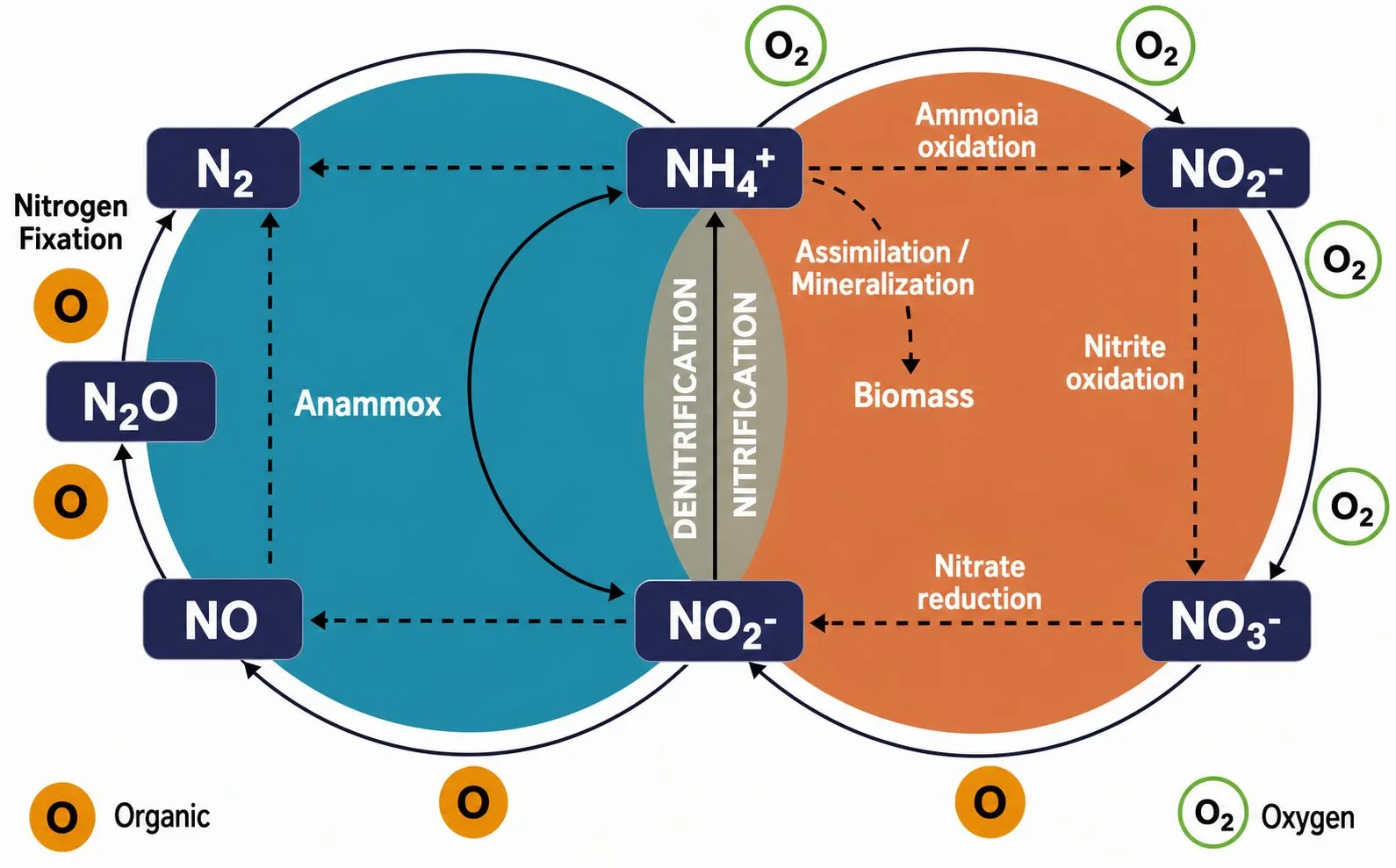
    Biological treatment methods are another option. Microorganisms transform ammonia into less detrimental compounds. Nitrification is a prevalent biological process in which ammonia is converted into nitrite by ammonia-oxidising bacteria and subsequently transformed into nitrate by nitrite-oxidising bacteria. Denitrification is the process of converting nitrate into nitrogen gas in the absence of oxygen. In wastewater treatment plants, these naturally occurring processes are accelerated by the addition of air and nutrients.

    Chemical treatment techniques entail the introduction of chemicals into wastewater to expedite the elimination of ammonia. Ion exchange is a prevalent technique in which ammonia ions are swapped with other ions on a resin material. Chlorination is a chemical treatment method that includes adding chlorine to wastewater to convert ammonia into chloramines, which other treatment processes can eliminate.

    Advanced oxidation methods employ potent oxidants to decompose ammonia molecules into harmless byproducts. UV irradiation is subjecting wastewater to ultraviolet light, which produces reactive radicals that oxidise ammonia. Ozonation employs ozone gas to oxidise ammonia and other organic pollutants, breaking them into less complex molecules.

    Each of these strategies has unique benefits and constraints. Biological therapy approaches are economically efficient and ecologically beneficial, yet they may necessitate extended treatment durations and specific environmental conditions to attain desired outcomes. Chemical treatment procedures are highly effective and adaptable, yet they can generate hazardous byproducts and necessitate meticulous handling of chemicals. Advanced oxidation techniques are highly efficient in eliminating ammonia; however, they may result in increased operational expenses and energy usage.

    The choice of the optimal approach relies on several aspects, such as the ammonia concentration in the wastewater, the required treatment level, the resources at hand, and the specific characteristics of the location. By meticulously assessing these variables and utilising suitable methodologies and technology, wastewater treatment facilities can proficiently eliminate ammonia nitrogen and guarantee adherence to regulatory benchmarks while reducing ecological consequences.

    Environmental Benefits of Reducing Ammonia in Wastewater

    Decreasing the amount of ammonia in wastewater has substantial environmental advantages, such as enhanced water quality, safeguarding aquatic habitats, and preventing harmful algal blooms. Elevated ammonia concentrations can reduce oxygen levels in marine environments, which can be detrimental to the survival of fish and other organisms living in water bodies. By employing efficient ammonia removal techniques, we can protect the well-being of our water resources and advance sustainable development.

    Pioneering Breakthroughs in Ammonia Removal from Industrial Wastewater

    Recently, significant advancements have been made in eliminating ammonia from industrial effluent. Membrane technologies, sophisticated adsorption materials, and electrochemical methods have improved the efficiency and cost-effectiveness of treating effluents that contain ammonia. These state-of-the-art technologies provide superior performance, lower energy usage, and increased dependability compared to conventional treatment methods, making them well-suited for tackling the intricate issues related to industrial wastewater management.

    Industries can achieve regulatory compliance, limit environmental impact, and enhance operational efficiency by adopting these developments in ammonia wastewater treatment. Organisations prioritising sustainable water management techniques not only meet their ethical and environmental obligations but also gain a competitive advantage in today’s global marketplace.

    For more information about our sophisticated wastewater treatment solutions, which can aid in reducing ammonia in your industrial effluents and attaining your environmental objectives, please contact Organics UK. Our specialists are dedicated to delivering customised solutions that align with your distinct demands and specifications. Let Organics collaborate with you to establish a more environmentally friendly, healthier, and enduring future for everyone.

    The Future of Biogas

    The Future of Biogas

    Despite the clear benefits of biogas, several challenges persist in unlocking its full potential. These challenges include the need for more effective organic waste collection systems, increased investment in biogas infrastructure from both public and private sectors, and the establishment of supportive policies and regulations. Moreover, raising public awareness and acceptance of biogas as a vital and feasible element of a sustainable future is essential for its broader adoption.