
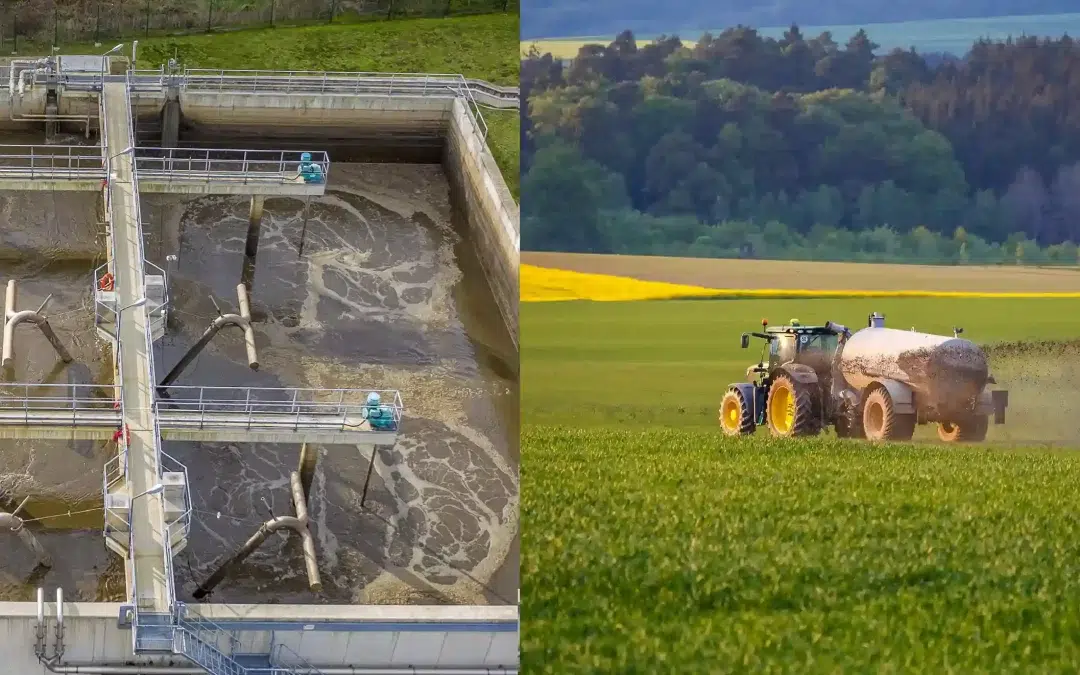
For every ton of ammonia destroyed by traditional Biological Nitrogen Removal (BNR), facility operators sacrifice immense amounts of energy, expensive chemicals, and capital. At the same time, they throw away a vital nutrient that the agricultural and commercial fertilizer industries value at hundreds of dollars per ton.
In the United States, as the Environmental Protection Agency (EPA) tightens nutrient discharge limits for municipal and industrial facilities, continuing with business-as-usual nitrogen destruction is becoming a major financial liability.
What Is Biological Nitrogen Removal?
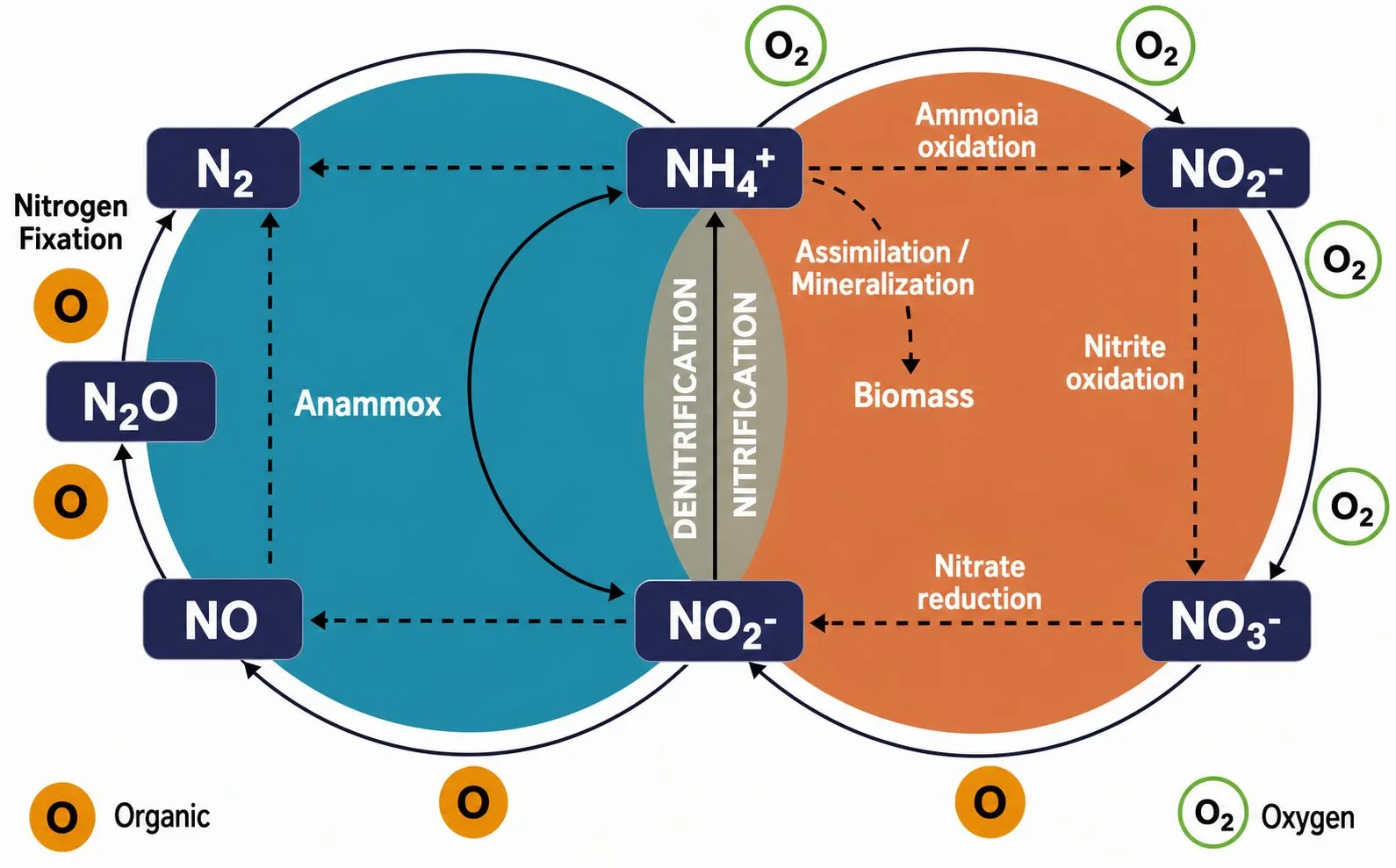
Biological nitrogen removal (BNR) is the multi-stage process where ammonia in wastewater, industrial streams, or anaerobic digestate is converted first to nitrate (nitrification) and then to nitrogen gas (denitrification) via specialized microbial activity.
Through this process, the nitrogen simply vents into the atmosphere. While regulatory compliance under the National Pollutant Discharge Elimination System (NPDES) is technically achieved, the underlying operational costs keep climbing.
For decades, BNR has served as the default engineering solution for ammonia treatment.
The biological process is well understood, state regulatory approvals are standard, and the infrastructure is proven. However, as US energy grids face rising volatility and facilities navigate stricter decarbonization mandates, environmental engineers are asking a fundamental question:
Is destroying nitrogen really the best use of resources?
The Energy Burden on US Infrastructure
Nitrogen destruction is inherently energy-intensive. BNR requires massive, continuous aeration to keep nitrifying bacteria alive. In typical domestic and industrial wastewater treatment plants (WWTPs), aeration already represents the single largest consumer of electricity on-site, frequently accounting for 40% to 60% of a facility’s total energy footprint.
This issue multiplies when dealing with high-strength ammonia streams, such as reject water from anaerobic digestion. This is a critical pain point in the United States, where the rapid expansion of agricultural waste-to-energy projects—particularly those handling poultry waste and chicken manure—generates digestate with exceptionally high ammonia concentrations.
Treating poultry-heavy digestate via BNR demands massive oxygen transfer rates, oversized blower systems, and a staggering amount of grid power.
The Hidden Operational Costs Beyond Electricity
The true cost of operating a traditional BNR system extends far beyond the utility bill:
Supplemental Carbon Sourcing
Denitrification requires a volatile organic carbon source (typically methanol or acetic acid) when the incoming Biochemical Oxygen Demand (BOD) is too low. This adds thousands of dollars in recurring chemical expenditures.
Alkalinity supplementation
Nitrification naturally destroys alkalinity. To prevent process failure and maintain pH stability, operators must continuously dose expensive additives like lime, caustic soda, or sodium bicarbonate.
Sludge Handling and Disposal Costs
BNR generates a massive biological floc. This secondary sludge must be thickened, chemically dewatered, hauled, and landfilled—directly increasing tipping fees and the facility’s Scope 1 and Scope 3 carbon footprint.
Massive Infrastructure Footprint
Traditional BNR requires extensive real estate for large aeration basins, anoxic tanks, and secondary clarifiers. For existing US plants facing space constraints, physical expansion is often cost-prohibitive.
Extreme Operational Complexity
Keeping nitrifiers and denitrifiers balanced requires highly skilled operators, continuous analytical monitoring, and constant adjustments to counter toxicity or temperature drops.
The Ultimate Waste: Destroying Commercial Value
Perhaps the most overlooked drawback of BNR is that it destroys a high-value commodity. The global fertilizer market relies heavily on nitrogen, while the emerging clean energy sector increasingly views ammonia as an essential hydrogen carrier. Facilities executing BNR are, in effect, paying to destroy a resource with severe market demand.
Through advanced recovery, high-strength streams like poultry digestate can be transformed into recovered ammonium hydroxide. When processed correctly, these recovered nutrients can fulfill criteria for circular economy initiatives, providing local agricultural regions with a sustainable source of liquid nitrogen fertilizer.
For commercial farms looking to satisfy strict environmental supply chain requirements or produce high-value crops, recovering these nutrients aligns perfectly with modern sustainable agriculture practices.
A Direct Solution: Organics Thermal Ammonia Recovery (OTAR®)
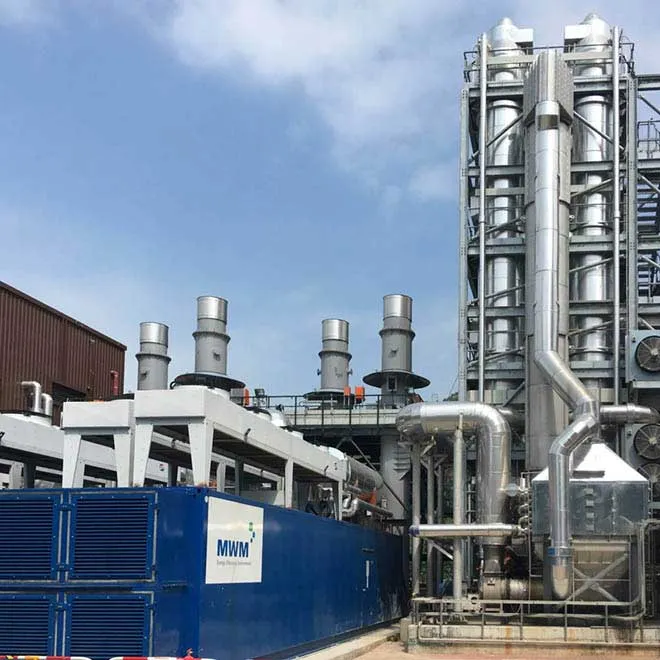
OTAR® (Organics Thermal Ammonia Recovery), developed by the Organics Group, offers a closed-loop alternative to traditional biological destruction. Instead of relying on sensitive microbial populations and costly aeration, the OTAR® platform utilizes thermal energy—often tapping directly into low-cost waste heat from on-site biogas combined heat and power (CHP) engines—to strip ammonia out of the liquid phase and capture it.
Why US Facility Managers are Turning to OTAR®:
- Modular & Scalable: The system is built on a compact, skidded footprint that integrates seamlessly into existing industrial infrastructure or agricultural biogas plants without expanding real estate.
- Adaptable Outflows: Where local agricultural off-take markets exist, OTAR® captures the nitrogen as commercial-grade ammonium hydroxide. In regions without an immediate fertilizer buyer, the system can efficiently destroy the ammonia thermally using the same on-site waste heat—eliminating the need for aeration entirely.
- Proven Reliability: Moving away from BNR does not mean adopting an unproven risk. The OTAR® technology brings over two decades of successful, large-scale international operational history to the US market.
Nitrogen is a valuable resource, and treating it as a waste product is no longer economically viable.
Up Next in This Series: We will break down the exact financial metrics, quantifying the dollar value of the ammonia leaving your facility every day—and calculate the precise ROI of capturing it on-site.